| The short version | Are nootropics safe? Generally yes for well-studied nutrient formulas used as directed — but it depends on the ingredient, dose and your health. |
| Side effects | Usually mild for nutrient nootropics (e.g. minor stomach upset); stimulants can cause jitters and sleep disruption. |
| Interactions | Some ingredients can interact with medications — check first if you take any. |
| Ask a doctor if | You are pregnant or nursing, under 18, on medication, or have a health condition. |
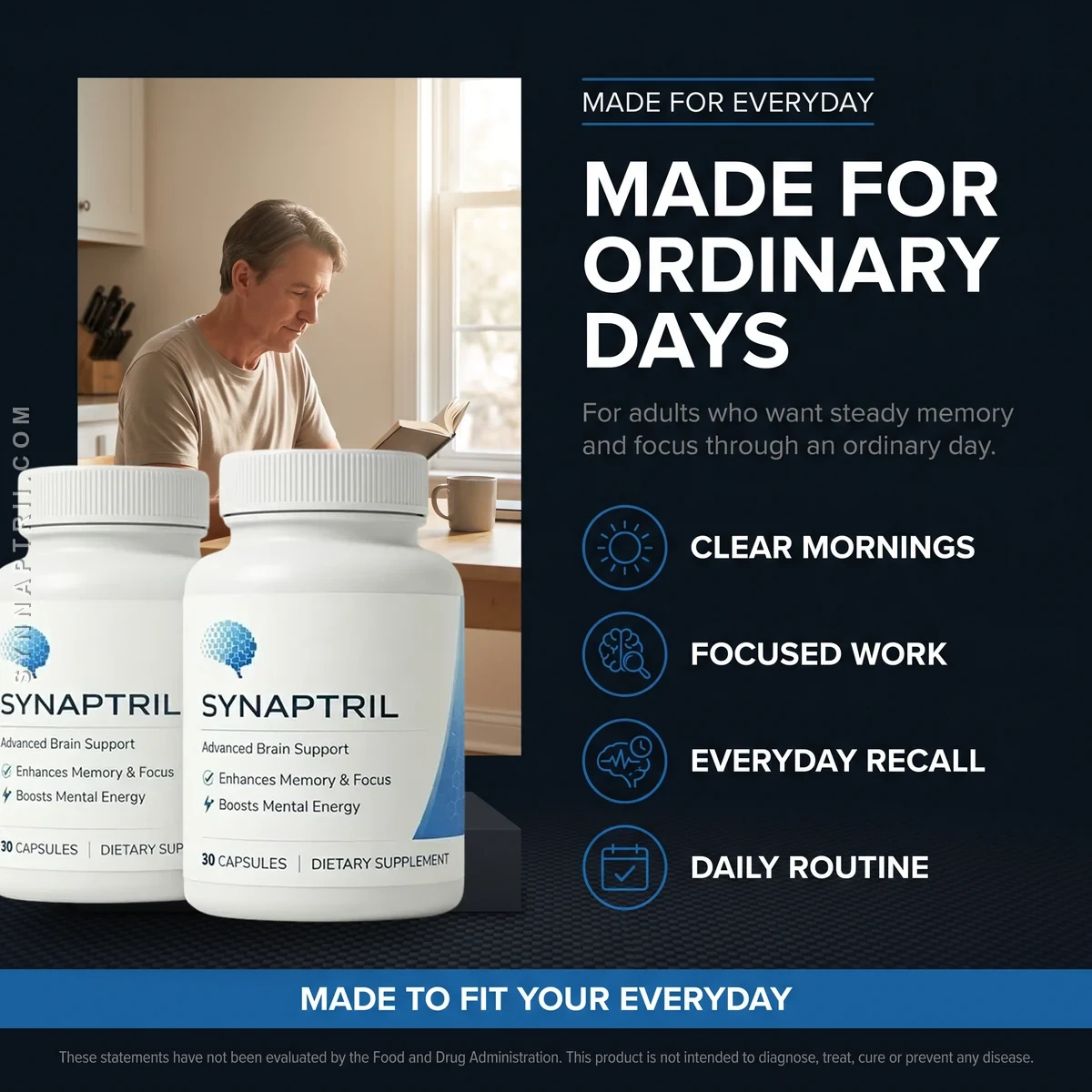
Before you add anything new to your daily routine, it is only sensible to ask: are nootropics safe? It is exactly the right instinct, and the honest answer is nuanced. “Nootropic” is a broad category that stretches from an ordinary cup of coffee to well-studied dietary nutrients to high-dose synthetic stimulants, and those do not all carry the same safety profile. So rather than a blanket yes or no, this guide gives you a practical framework: what side effects to expect, how interactions work, how to judge product quality, and — importantly — who should check with a healthcare professional before starting.
None of what follows is medical advice, and it is not a substitute for a conversation with your own physician who knows your history. Think of it instead as the plain-language briefing that helps you have a smarter conversation and make a more informed choice.
When people ask are nootropics safe, the useful answer is that safety hinges on three variables: the ingredient, the dose and the person. A well-studied nutrient such as magnesium, turmeric or CoQ10, taken at a sensible label serving, sits in a very different risk category from a mega-dose of a synthetic stimulant. And even the gentlest ingredient can be inappropriate for a specific individual — for example, someone on a particular medication.
This is why comparing nootropics as a single monolith is misleading. It is far more useful to look at the specific formula in front of you: what is actually in it, how much, and whether it is right for your situation. Our guide to natural nootropics vs prescription smart drugs explains why the natural, nutrient-based end of the spectrum is regulated and used differently from prescription options.
For nutrient-based nootropics used as directed, reported side effects tend to be mild and manageable. The most common is minor digestive adjustment — a little stomach upset when you first start — which is frequently solved by taking the capsule with a meal rather than on an empty stomach. Everyone is different, and a small number of people may find a particular ingredient does not agree with them, in which case the sensible step is to stop and check with a professional.
Stimulant nootropics are a different story. Because they act quickly on the nervous system, the possible side effects include jitteriness, a faster heart rate, anxiety and disrupted sleep, especially at higher doses or later in the day. This is one reason many people prefer a stimulant-free, nutrient-first formula for everyday use — it sidesteps the jittery, spike-and-crash pattern entirely. We compare that experience directly in nootropics vs coffee for focus.
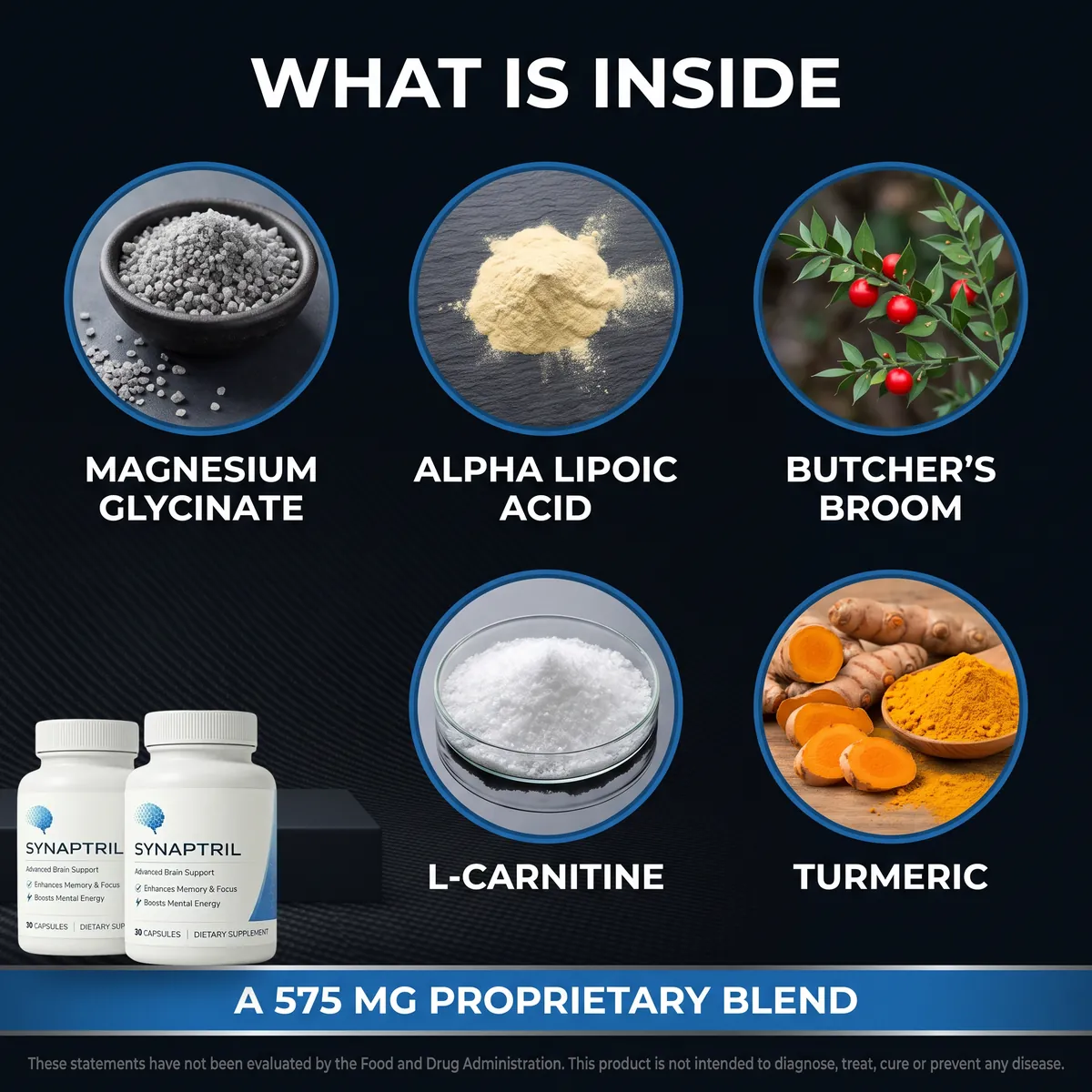
Synaptril is a once-daily capsule with six fully named actives — magnesium glycinate, alpha lipoic acid, butcher’s broom, L-carnitine, turmeric and CoQ10 — made in a GMP-certified, FDA-registered facility in the USA, with no hidden proprietary blends and a 60-day guarantee.
See Synaptril PackagesThe single most important safety topic is interactions. Some botanicals and nutrients can interact with prescription medicines — for instance, certain ingredients may affect blood thinners, blood-pressure medication or blood-sugar management. “Natural” does not automatically mean “interaction-free.” If you take any medication, the correct move is not to guess from a website but to ask your pharmacist or physician, who can check your specific prescriptions against the specific ingredients in the formula. It is a five-minute conversation that removes almost all of the uncertainty.
Some groups should always speak to a healthcare professional before starting a nootropic supplement:
The theme running through that list is simple: when in doubt, ask first. A brief conversation with a professional who knows your history is always worth more than a general article, this one included.
Product quality is a huge part of safety, and here you have real control. Reputable manufacturing and transparent labelling are the difference between a supplement you can trust and one you cannot. Look for these signals:
Those last two points double as red-flag detectors. A hidden blend and a miracle claim are two of the clearest signs to walk away. For a deeper checklist, see our buyer’s guide to choosing a nootropic supplement.
Finally, a few everyday habits keep your use sensible regardless of which formula you choose. Follow the label serving rather than assuming more is better — with nutrients, exceeding the dose adds risk without adding benefit. Take it consistently and with food where advised. Do not stack multiple products with overlapping ingredients without checking your total intake. And treat supplements as a complement to, never a replacement for, the fundamentals of sleep, hydration, movement and a whole-food diet. Used this way, a well-chosen nutrient nootropic is a low-drama addition to a healthy routine. You can review the exact formula and quality credentials on the Synaptril homepage.
One more sensible habit is to start deliberately and pay attention. When you begin any new supplement, take it on its own for the first week or two rather than adding several things at once, so that if something does not agree with you it is easy to identify the culprit. Keep a short note of how you feel, and if you notice anything unusual, stop and speak to a professional. This measured approach costs nothing, removes almost all of the guesswork, and means that on the rare occasion something does not suit you, you will know exactly what to change.
So, are nootropics safe? For well-studied, nutrient-based formulas taken as directed, made by a reputable manufacturer, and used by a healthy adult with no complicating medications, the answer is generally reassuring — these are the same kinds of vitamins, minerals and botanicals found throughout the supplement aisle. The caveats are equally important, though: high-dose stimulants deserve more caution, interactions with medication are real, and certain groups should always check first. Safety is not a property of the word “nootropic” in the abstract; it is a property of a specific ingredient, at a specific dose, in a specific person. Judge the formula in front of you on those terms, choose transparency and quality manufacturing, and loop in your doctor when in doubt, and you will have done the sensible things well.
Six named actives, no hidden blends, a 60-day guarantee — the kind of formula that makes the safety questions easy to answer.
Order Synaptril TodaySafety depends on the specific ingredient, the dose, the product’s quality and your own health. Well-studied nutrient nootropics such as magnesium, turmeric and CoQ10 are widely used within label servings, while high-dose stimulants carry more caution. Choose products made in GMP-certified, FDA-registered facilities, follow the label, and speak to your physician if you take medication or have a health condition.
For nutrient-based formulas, the most common reports are mild and digestive — such as a little stomach upset — which is often reduced by taking the supplement with food. Stimulant nootropics can cause jitteriness, a raised heart rate and disrupted sleep. Always follow the label serving and stop and consult your doctor if you have an unusual reaction.
Yes, some can. Certain botanicals and nutrients may interact with blood thinners, blood-pressure or blood-sugar medication and other prescriptions. This is why anyone taking medication should talk to a pharmacist or physician before starting a nootropic supplement.
People who are pregnant or nursing, anyone under 18, those with an existing medical condition and anyone taking prescription medication should speak with a healthcare professional before use. When in doubt, ask first.
Look for a fully transparent label with named ingredients and doses, manufacturing in a GMP-certified and FDA-registered facility, and, ideally, third-party testing. Avoid proprietary blends that hide amounts and products making disease-cure claims, which are red flags.
† These statements have not been evaluated by the Food and Drug Administration. This product is not intended to diagnose, treat, cure or prevent any disease. This article is for general information only and is not medical advice. Consult your physician before beginning any new supplement.
 Synaptril