 Synaptril
Buying Guide
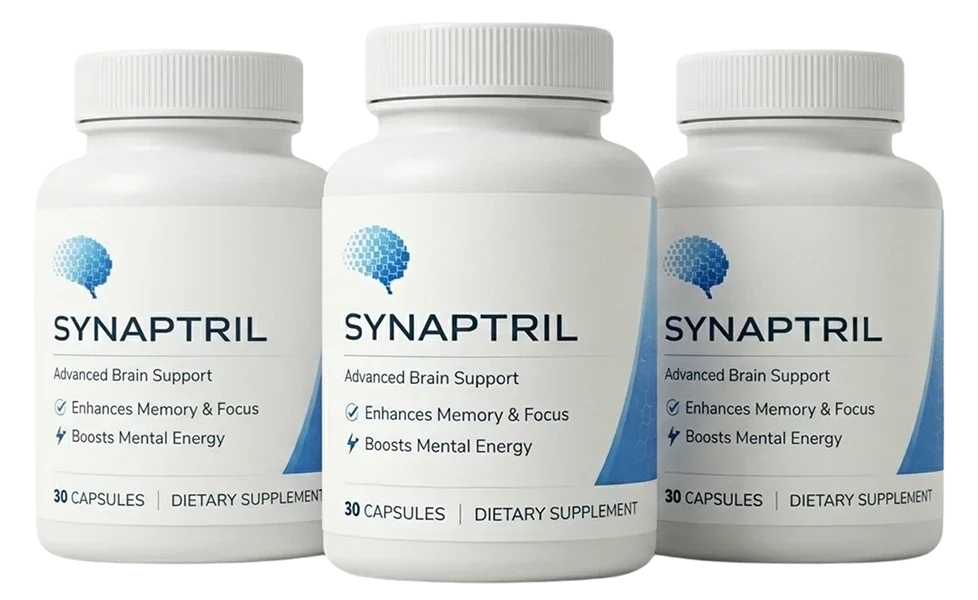
Synaptril 3 Bottle Package: A 90 Day Supply Explained
The Synaptril 3 bottle package explained: a 90 day supply, how it compares with 2 and 6 bottles, shipping and the 60-day guarantee.
Plain-language, fact-checked reading on nootropic ingredients, memory, focus and everyday mental energy — from the Synaptril Research Team.
The Synaptril 3 bottle package explained: a 90 day supply, how it compares with 2 and 6 bottles, shipping and the 60-day guarantee.
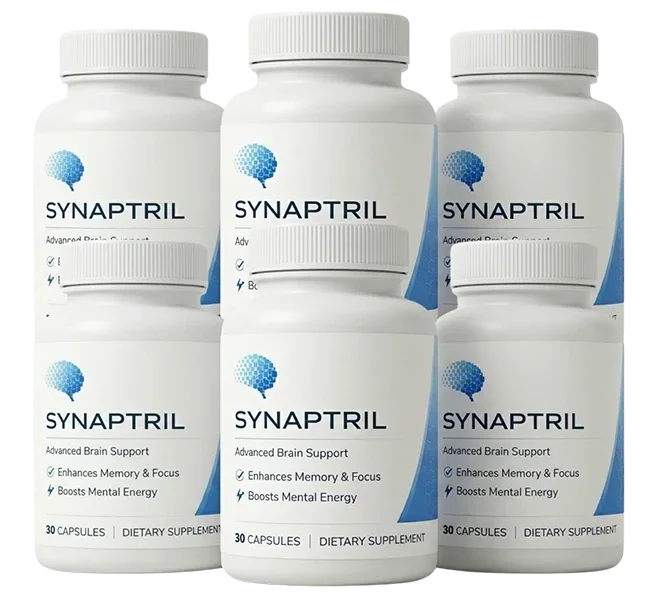
The Synaptril 6 bottle kit at a glance: 180 days of capsules, the lowest price per bottle, free U.S. shipping and the 60-day guarantee.
What the Synaptril 60-day money-back guarantee covers, how to ask for a refund, and why ordering at the official checkout matters.
Synaptril kits side by side: the 2, 3 and 6 bottle packages, the price per bottle, how long each lasts and which one suits your plan.
Looking for Synaptril in Canada? See what the order page says about shipping, why pharmacy and marketplace searches fall short, and how to check delivery first.
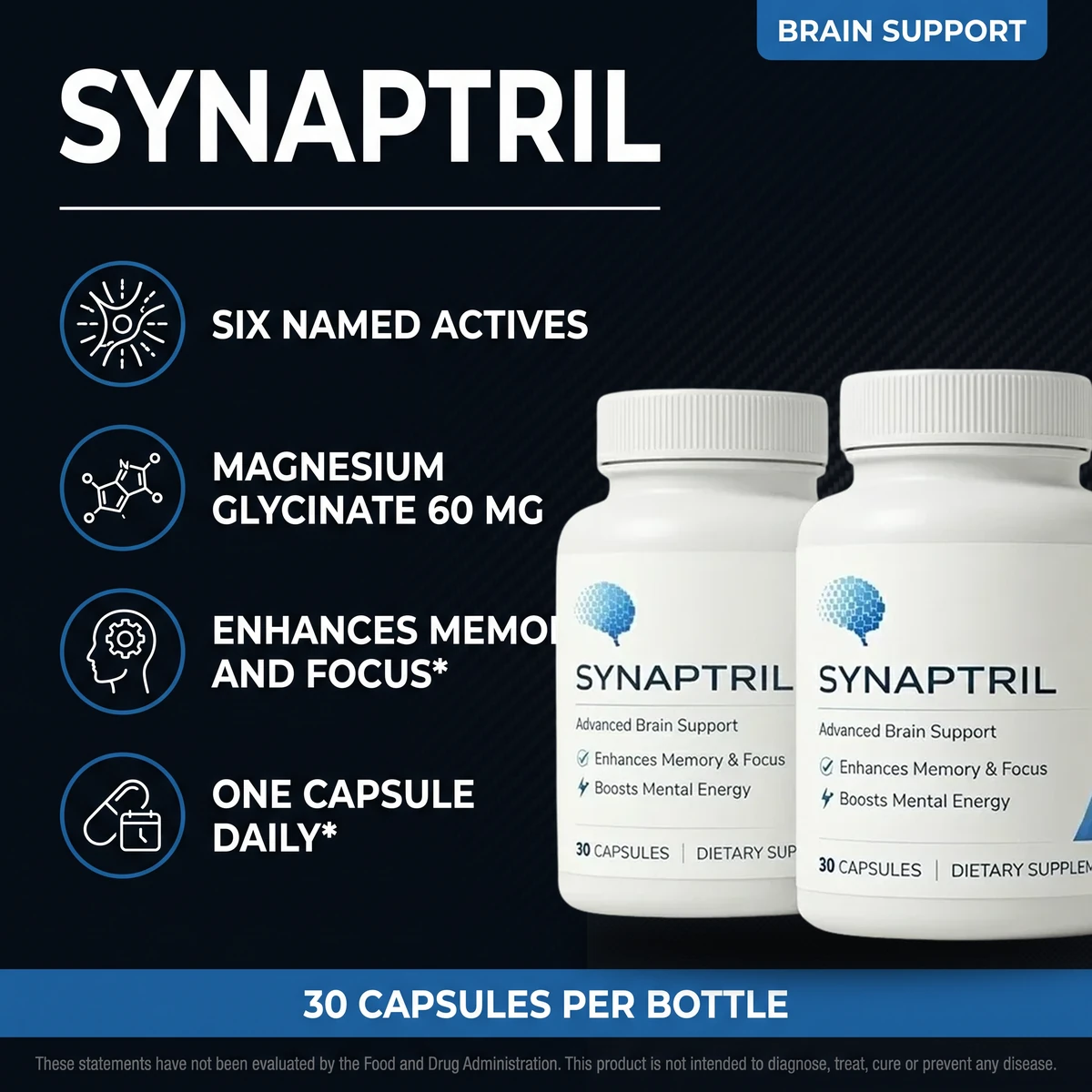
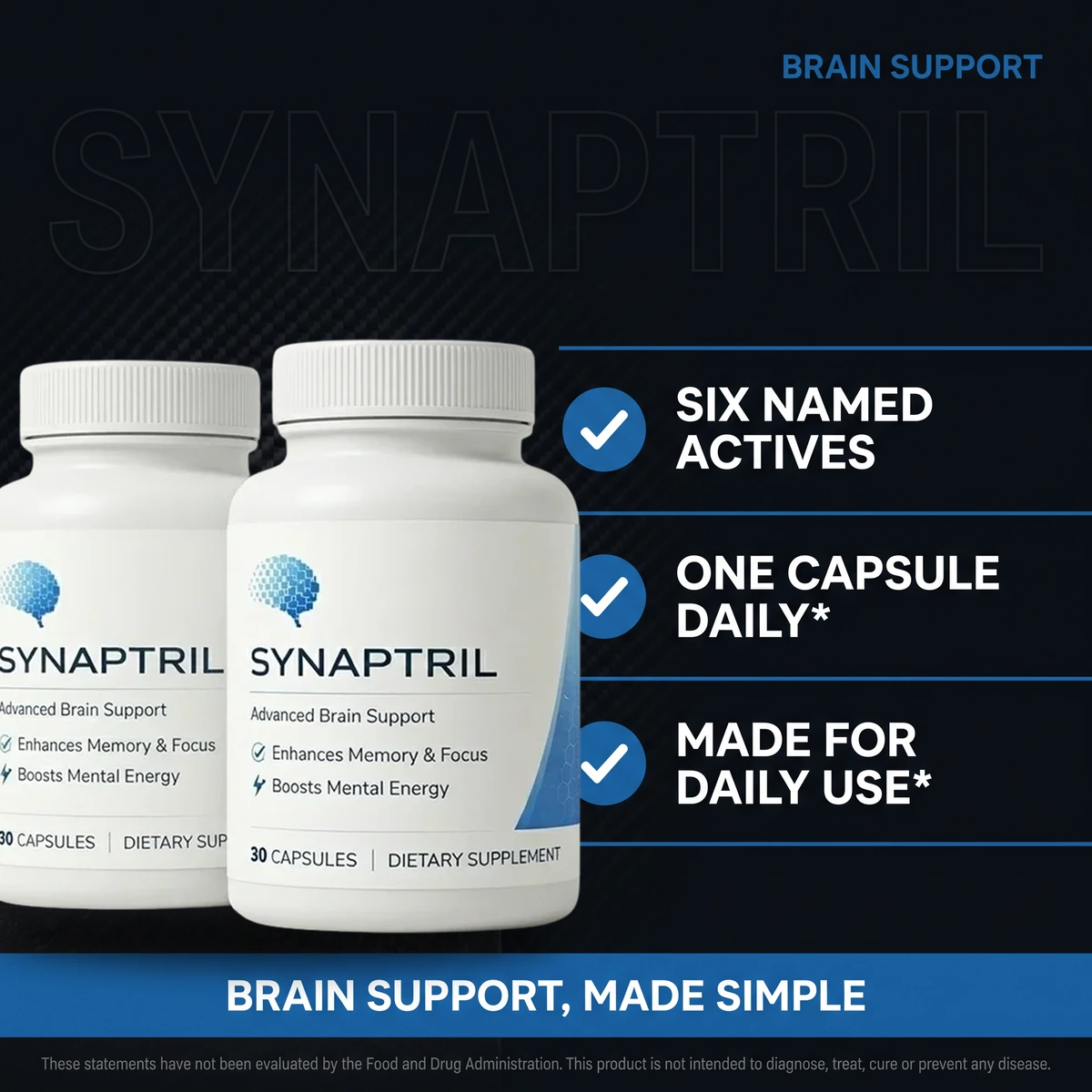
What is Synaptril? A short, plain guide to the once-daily capsule: what is inside, how you take it, what it is not, and how it is sold.
What do Synaptril reviews actually say? The themes buyers mention, why reviews are not proof, and a simple way to run your own test.
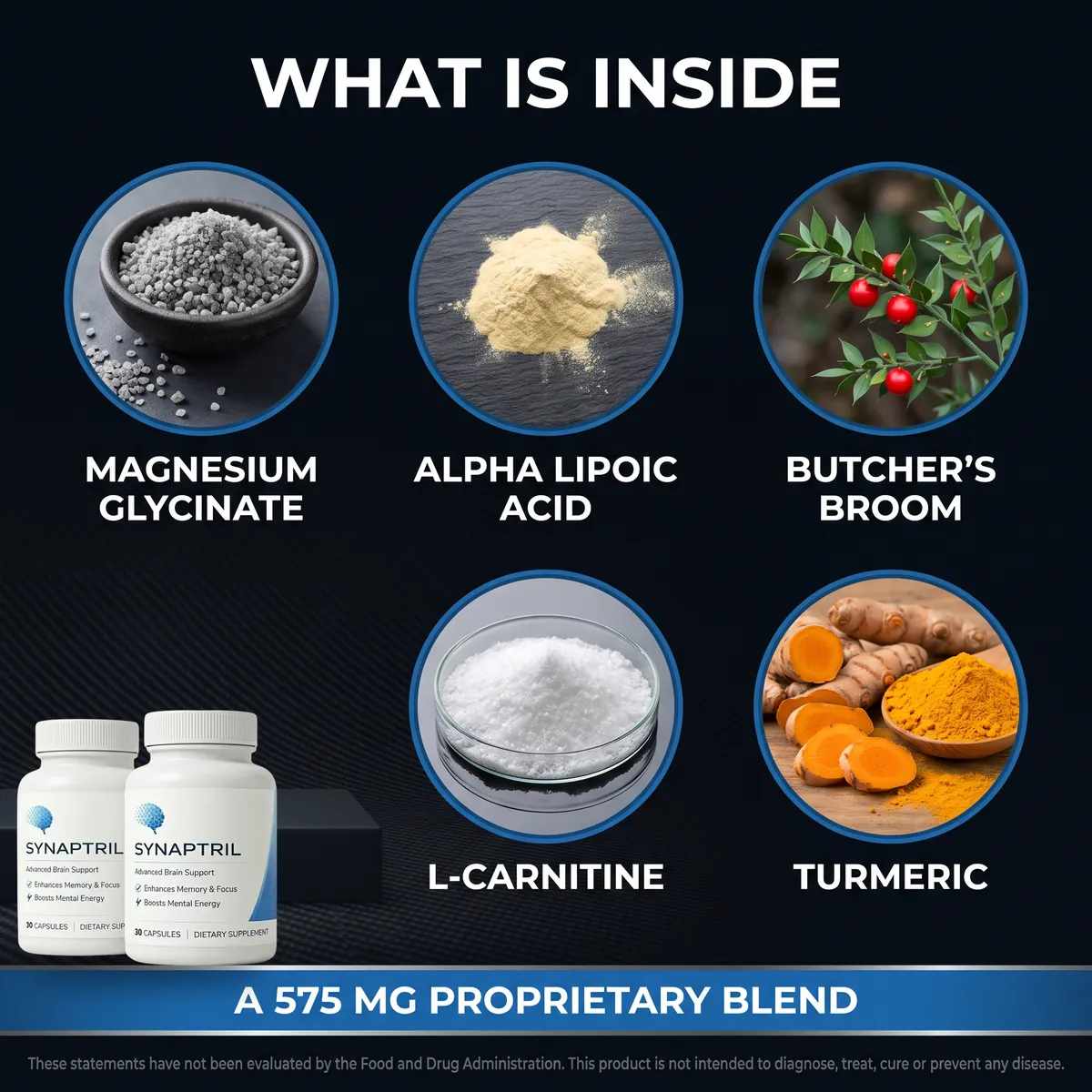
Synaptril has six named actives in one 575 mg blend. See the form, the printed amount and the general role of each one, and what the label leaves out.
This site is an independent guide. See how to reach the brand's own checkout, what to compare there and the signs of a copycat page.
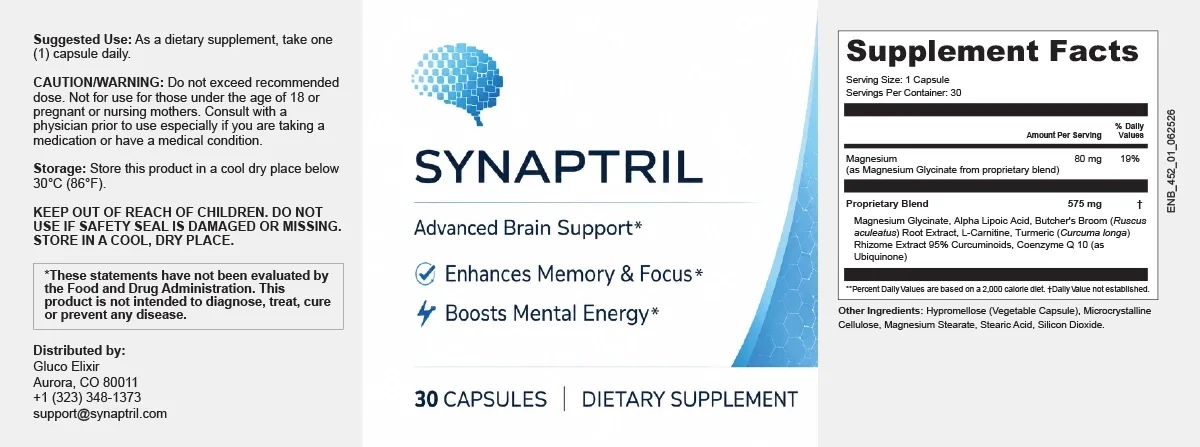
A point-by-point check of the product, the label, the refund promise and the red flags to watch for before you buy.
A realistic day-one-to-month-three timeline for stimulant and nutrient-based brain supplements — what to expect, why nutrient formulas build gradually, and how to run a fair trial before you decide.
A plain-language look at nootropic safety — common side effects, drug interactions, quality signals to look for, and who should check with a doctor before starting.
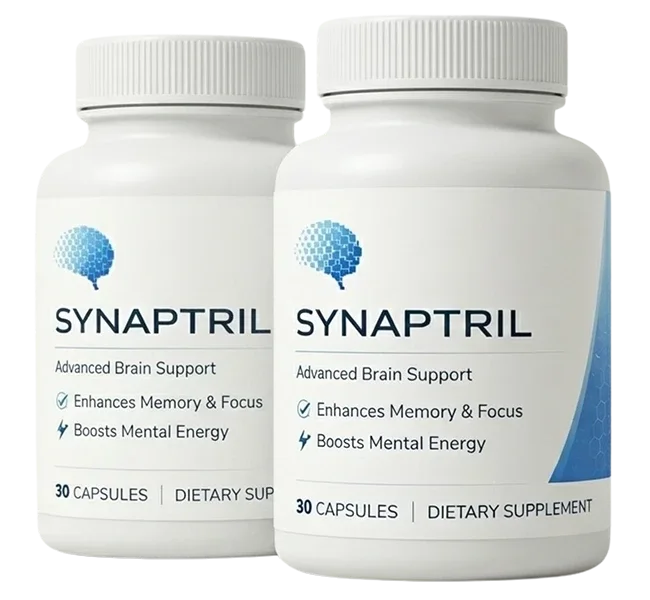
Morning or night, with food or without? A practical guide to timing stimulant and nutrient nootropics — and why consistency matters far more than the perfect hour.
A DIY multi-pill stack versus one all-in-one formula, compared on customisation, convenience, dosing accuracy, cost and safety — so you can pick the right approach.
Nutrient nootropics and energy drinks compared head to head — caffeine, sugar, the crash, sleep and long-term value — so you can decide which belongs in your day.
A step-by-step guide to comparing brain supplements — how to read the label, judge ingredient forms and doses, spot quality signals, weigh cost per serving and avoid the biggest red flags before you buy.
Coffee and nutrient nootropics compared head to head — onset, duration, the afternoon crash, tolerance and sleep — so you can decide which fits your day, or whether the smartest answer is both.
A clear, compliant look at how natural nootropic supplements differ from prescription smart drugs — in regulation, access, how they work and who they are for — so you can make an informed choice.
An honest look at when a nootropic supplement makes sense and when it does not, how to judge value by cost per serving, and how to set realistic expectations before you spend.
Capsules and powders compared on convenience, dosing accuracy, absorption, taste, cost and portability — so you can pick the nootropic format you will actually take every single day.
A plain-language tour of six well-known brain-support ingredients — magnesium glycinate, alpha lipoic acid, butcher’s broom, L-carnitine, turmeric and CoQ10 — plus how to read a label and build a simple daily routine.
The honest answer, including the large trials that found nothing. What brain supplements can and cannot do, why results vary so widely, and how to run a fair personal test before you judge one.
Memory support and focus support are different goals served by different ingredients on different timescales. Which suits your problem, and whether one formula can honestly cover both.
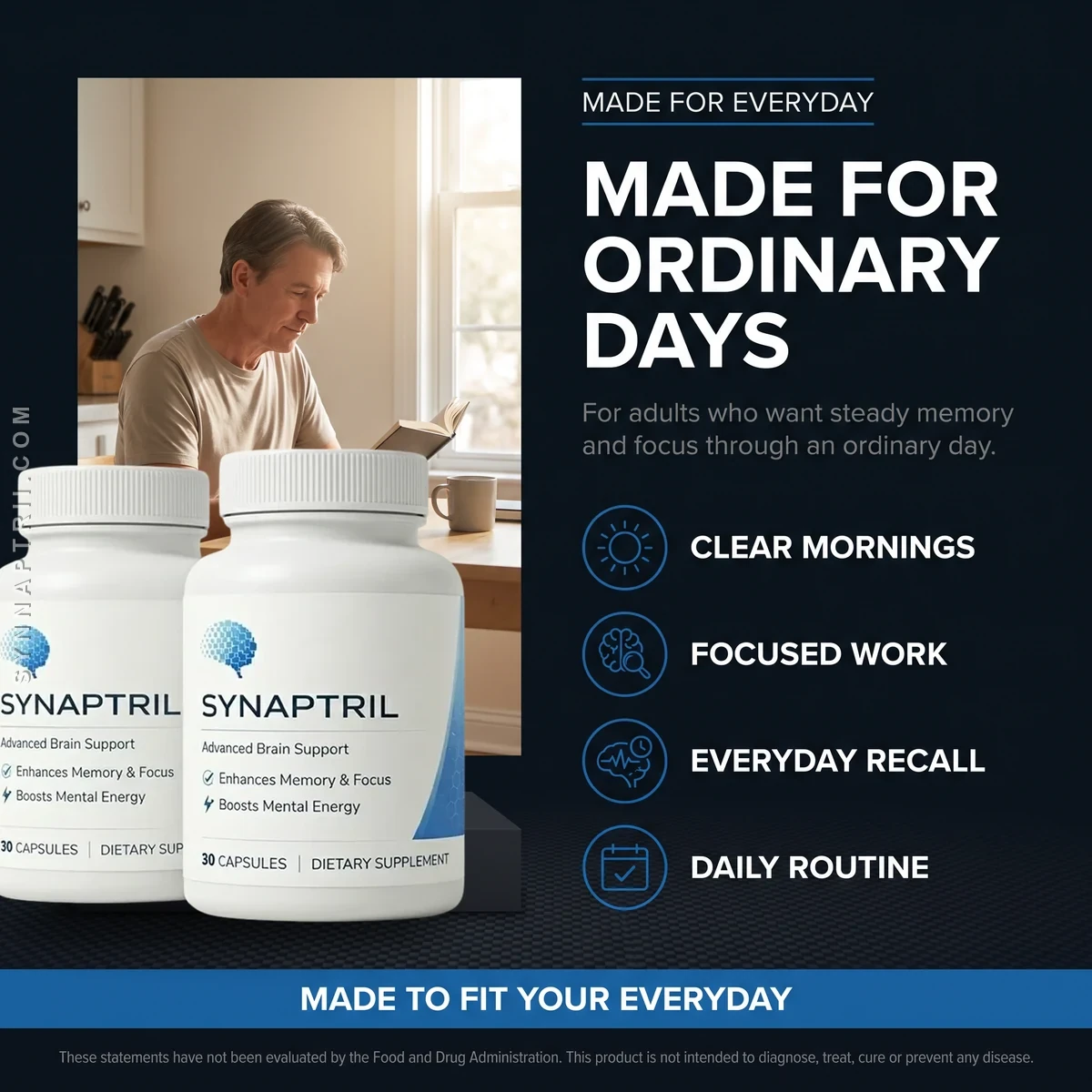
Adaptogens target stress load; nootropics target cognition. What the Rhodiola and ashwagandha trials actually measured, whether the two can be combined, and how to pick the right one for your goal.
Multivitamins have been tested for cognition far more rigorously than nootropic blends have, and the results are mixed. What each category is built to do, and whether you actually need both.
Price, selection, freshness, returns and safety compared. How to avoid counterfeits, why the seller decides whether a refund is available to you, and what a guarantee is actually worth.
More brain-health guides are on the way. In the meantime, see what goes into every Synaptril capsule.