| The short version | Are nootropic supplements worth it? It depends on the product and your expectations — not on the category as a whole. |
| Worth it when | Actives are named, forms are sensible, quality is real, and you set realistic, gradual expectations. |
| Not worth it when | Doses hide in a blend, promises are dramatic, or the cost per serving is out of line. |
| Judge value by | Cost per serving, transparency and a genuine guarantee — not the sticker price. |
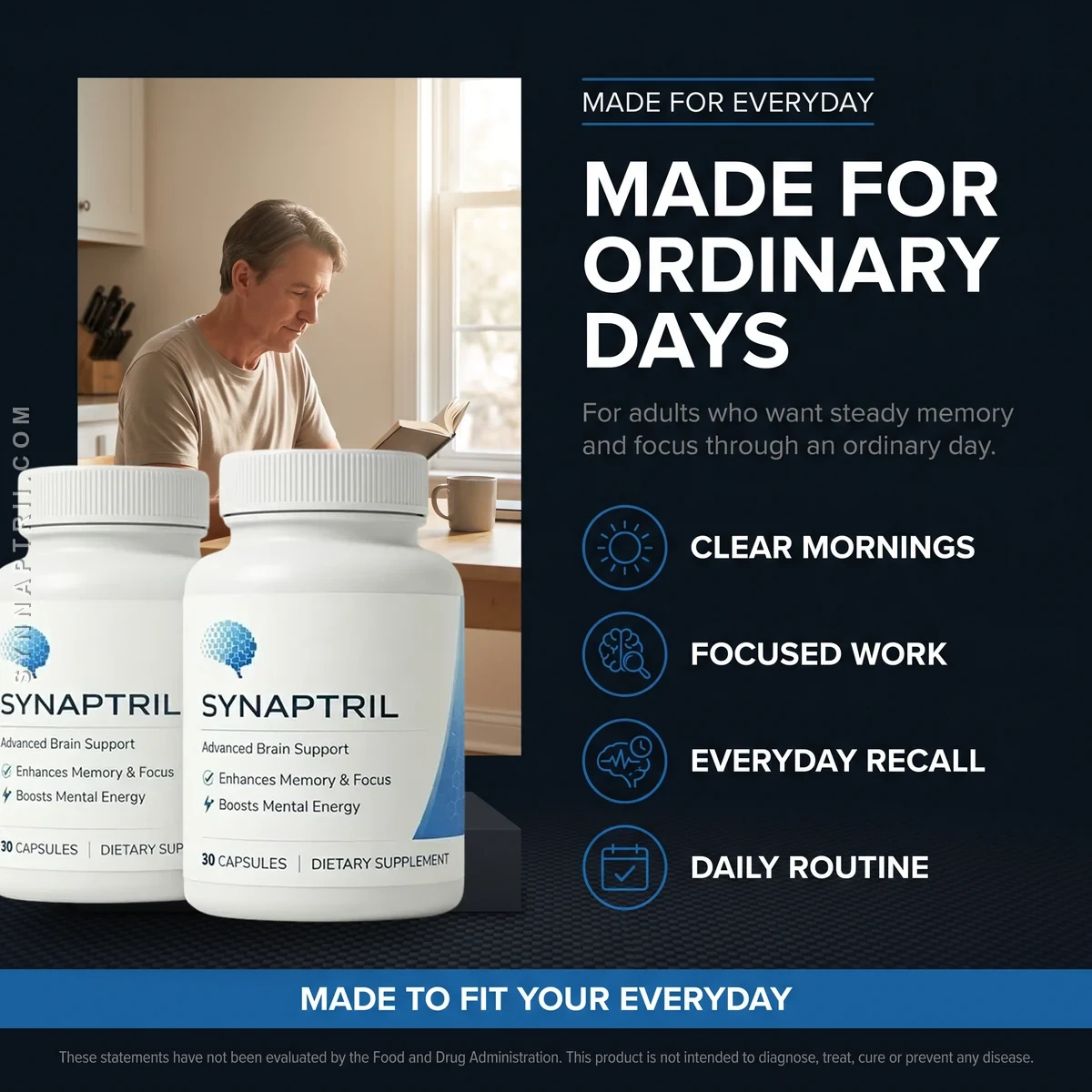
“Are nootropic supplements worth it?” is one of the most searched questions in the whole brain-health space, and it deserves a straight answer rather than a sales pitch. The honest reply is: it depends — not on the category as a whole, but on the specific product and on what you expect from it. A well-made, transparent formula taken with realistic expectations can be a sensible small investment; an overhyped blend bought in the hope of an overnight transformation almost never lives up to the spend. This guide walks through how to tell the difference so your money goes to the former.
Some nootropic supplements are worth it and some are not, and the deciding factors are surprisingly consistent. A product tends to be worth the money when it names every active, uses well-studied ingredients in sensible forms, is manufactured to good standards, and is sold at a fair cost per serving with a genuine guarantee. It tends not to be worth it when a proprietary blend hides the doses, when the marketing promises dramatic results, or when you are paying a premium for packaging rather than substance. In other words, “worth it” is a property of the individual product and your expectations, not of the word “nootropic.”
Value is always relative to a goal, so it helps to name yours before you buy. If your goal is a steady, everyday foundation for focus and mental energy, and you understand that nutrient-based support builds gradually, then a quality formula can absolutely justify its place in your routine. If your goal is an instant, dramatic cognitive leap, no supplement will satisfy it, and money spent chasing that will feel wasted no matter how good the product is. Getting the expectation right is half the value equation.
There are a few situations where the maths tends to work out in your favour. A nootropic supplement is more likely to be worth it if:
If several of those describe you, a transparent formula is a reasonable, low-stakes thing to try — especially when a money-back guarantee limits your downside.
Synaptril packs six named actives into one once-daily capsule — no proprietary-blend guesswork — and backs it with a 60-day money-back guarantee, so you can judge the value for yourself with less risk.
See Synaptril Packages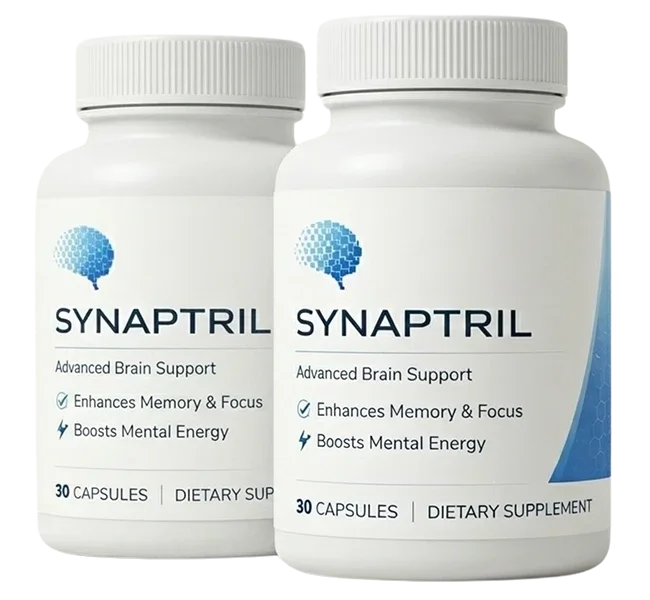
Equally, it is fair to name the cases where you should keep your wallet closed. Skip a product when nearly the entire formula hides inside a proprietary blend, so you cannot tell what you are paying for. Walk away from anything promising dramatic, overnight or “guaranteed” brain results, because that is marketing rather than science. Be sceptical of a steep price with nothing on the label to justify it, and remember that a supplement is a poor substitute for the fundamentals — if you are skimping on sleep, hydration, movement and a decent diet, no capsule will paper over that, and the spend is better directed at the basics first.
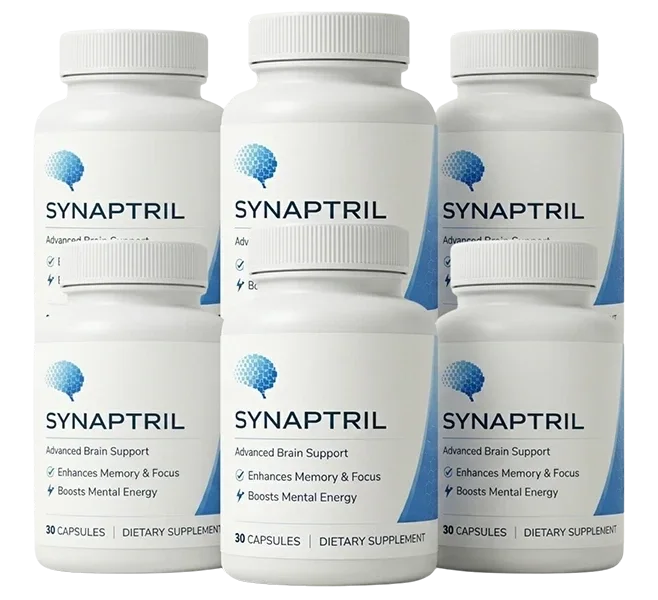
The most common mistake shoppers make is comparing the price on the front of the bottle. The number that actually matters is cost per serving. A single small bottle can look cheap yet work out expensive per day, while a larger or multi-bottle package often looks pricier up front but lowers the daily cost considerably. Alongside that, weigh three things: transparency (are the actives and forms named?), quality (GMP, made in the USA), and the guarantee (can you get your money back if it is not for you?). For a full walkthrough, our buyer’s guide to choosing a nootropic supplement lays out the exact checklist, and if you are also weighing capsules against powders, see our comparison of capsule versus powder nootropics.
Finally, the single biggest driver of whether a supplement feels “worth it” is expectation. Nutrient-based ingredients are not stimulants, so the experience is less “switch flips on” and more “the afternoon fog feels a little lighter over a few weeks.” Individual results vary, and no supplement replaces sleep, nutrition and movement. Give a formula a fair trial of several weeks of consistent daily use before you judge it, keep the fundamentals in place, and talk to your physician before starting anything new if you take medication, have a condition, or are pregnant or nursing. Judge it on that honest basis and you will spend your money wisely, whichever product you choose.
If you would rather not agonise over each purchase, boil the decision down to a short checklist and run any product through it in a minute or two:
Tick most of those boxes and the odds are good the product is worth your money. Miss several — especially the first and the last — and it probably is not, no matter how persuasive the marketing.
One last angle that rarely gets discussed: the money you spend on a supplement is money you are not spending elsewhere, so it is fair to ask whether the same amount would do more good directed at the basics. If your sleep is chronically short, a better wind-down routine may move the needle further than any capsule. If your diet is thin on whole foods, groceries might be the higher-return purchase. A quality nootropic is best seen as a complement to those foundations rather than a replacement for them — and when you frame it that way, “worth it” becomes a much easier question to answer honestly.
Named actives, once-daily convenience, 60-day guarantee — the fairest way to answer “is it worth it?” is to try it on your terms.
Order Synaptril TodayIt depends on the product and your goals. A nootropic supplement can be worth it when it names its actives, uses well-studied ingredients and forms, is made to good manufacturing standards, and fits realistic expectations. It is less likely to be worth it when it hides doses in a proprietary blend, makes dramatic promises, or costs far more per serving than comparable formulas.
Compare cost per serving rather than the price on the bottle, since multi-bottle packages often lower the per-day cost. Then weigh transparency, ingredient quality and a genuine money-back guarantee. Real value comes from a well-made, transparent formula you will actually take consistently, not simply the cheapest option.
Nutrient-based ingredients tend to build support gradually, so most people give a formula several weeks of consistent daily use before deciding how it fits their day. A one-off dose is not a fair test of a nutrient-first product.
No. Sleep, nutrition, hydration and movement do the heavy lifting for brain health. A supplement is there to help cover nutritional gaps, not to replace healthy habits, so it is worth it only alongside the basics rather than instead of them.
No. A higher price does not guarantee better ingredients or transparency. Some premium products are excellent and some are simply marked up, so judge value on named actives, sensible forms and cost per serving rather than the sticker price alone.
† These statements have not been evaluated by the Food and Drug Administration. This product is not intended to diagnose, treat, cure or prevent any disease. This article is for general information only and is not medical advice. Consult your physician before beginning any new supplement.
 Synaptril