| The short version | How long do nootropics take to work depends entirely on the type of nootropic. |
| Stimulant nootropics | Fast — caffeine and similar are usually felt within 30–60 minutes. |
| Nutrient nootropics | Gradual — give minerals, antioxidants and energy nutrients a consistent 4–12 week trial. |
| The real lever | Consistency. Same time, every day, beats any single big dose. |
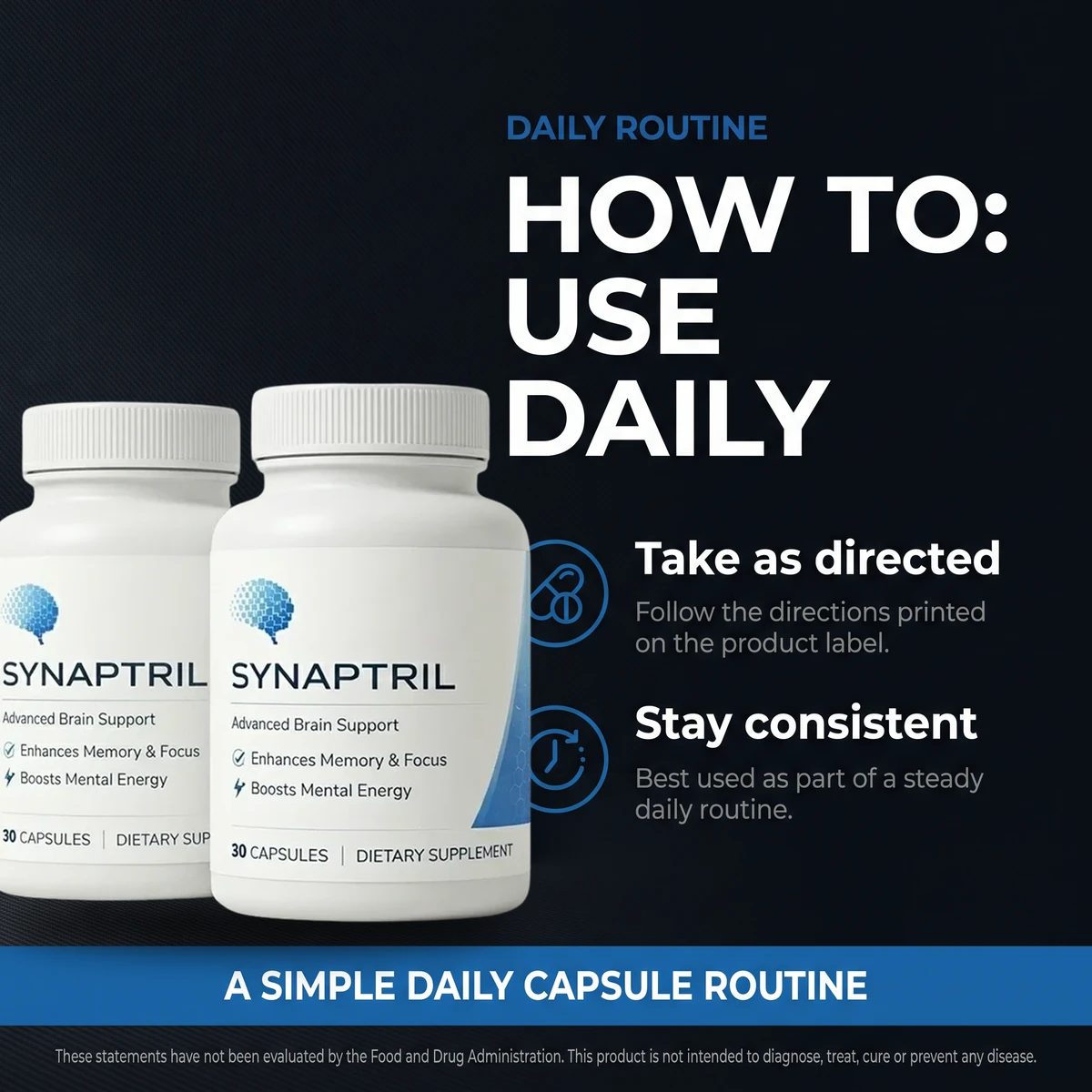
It is one of the first questions people ask before they even open the bottle: how long do nootropics take to work? It is a fair question, and an important one, because the honest answer sets your expectations correctly — and the wrong expectation is the single most common reason people quit a perfectly good supplement too early. The frustrating truth is that there is no one number, because “nootropic” is an umbrella term covering everything from a shot of espresso to a capsule of minerals and antioxidants, and those work on completely different timescales.
In this guide we will give you a realistic timeline for the two broad families of nootropics, explain the biology behind why nutrient-based formulas take longer, and walk through a sensible day-one-to-month-three plan so you know exactly what to look for and when. By the end you will be able to tell the difference between “this needs more time” and “this is not for me” — which is worth a great deal.
The reason the question how long do nootropics take to work has no tidy answer is that nootropics fall into two very different camps. Stimulant nootropics — caffeine being the obvious one — act quickly and unmistakably by changing brain chemistry on the spot. Nutrient-based nootropics take the opposite approach: instead of a fast chemical push, they aim to supply the raw materials that healthy brain function draws on over time, such as magnesium, alpha lipoic acid, turmeric and cellular-energy nutrients like L-carnitine and CoQ10.
Those two mechanisms produce two entirely different experiences of time. A stimulant is like turning on a light switch — on now, off in a few hours. A nutrient-first formula is more like watering a plant: nothing dramatic happens the first day, but with steady, repeated care the effect accumulates. If you judge the second by the standard of the first, you will always be disappointed. If you judge each on its own terms, both make sense. For a fuller side-by-side, our comparison of nootropics vs coffee for focus unpacks exactly how these two mechanisms differ.
If you take a stimulant nootropic, you will usually know within the hour. Caffeine, for example, is typically felt about 30 to 60 minutes after consumption, peaking and then tapering over the next several hours. That speed is exactly why coffee and energy drinks are so popular — the feedback is immediate. The trade-off is that the same fast mechanism can produce an afternoon dip as it wears off, can build tolerance with regular use, and can interfere with sleep if taken late in the day.
So for stimulants the timeline is short and obvious, but the effect is temporary by design. If what you are looking for is a same-day, on-demand lift, a stimulant delivers that quickly. If you are looking for a steady foundation, read on, because the timeline changes completely.
Here is where most of the confusion lives. Nutrient-based nootropics — the kind built around minerals, antioxidants and cellular-energy nutrients — are not designed to be felt within the hour, and expecting them to be is setting yourself up to quit early. Because these ingredients work nutritionally, they are absorbed and put to use by the body gradually. The support accumulates over days and weeks, which is why the common guidance is to give a nutrient formula a consistent trial of at least four to twelve weeks before you judge it.
This is not a marketing hedge; it is simply how nutrition works. You do not eat one serving of vegetables and feel transformed an hour later — the benefit of good nutrition is the cumulative result of eating well day after day. A nutrient-first nootropic follows the same logic. The active ingredient, in a very real sense, is your own consistency. You can see the specific nutrients this applies to in our explainer on nootropic ingredients that support memory and focus.
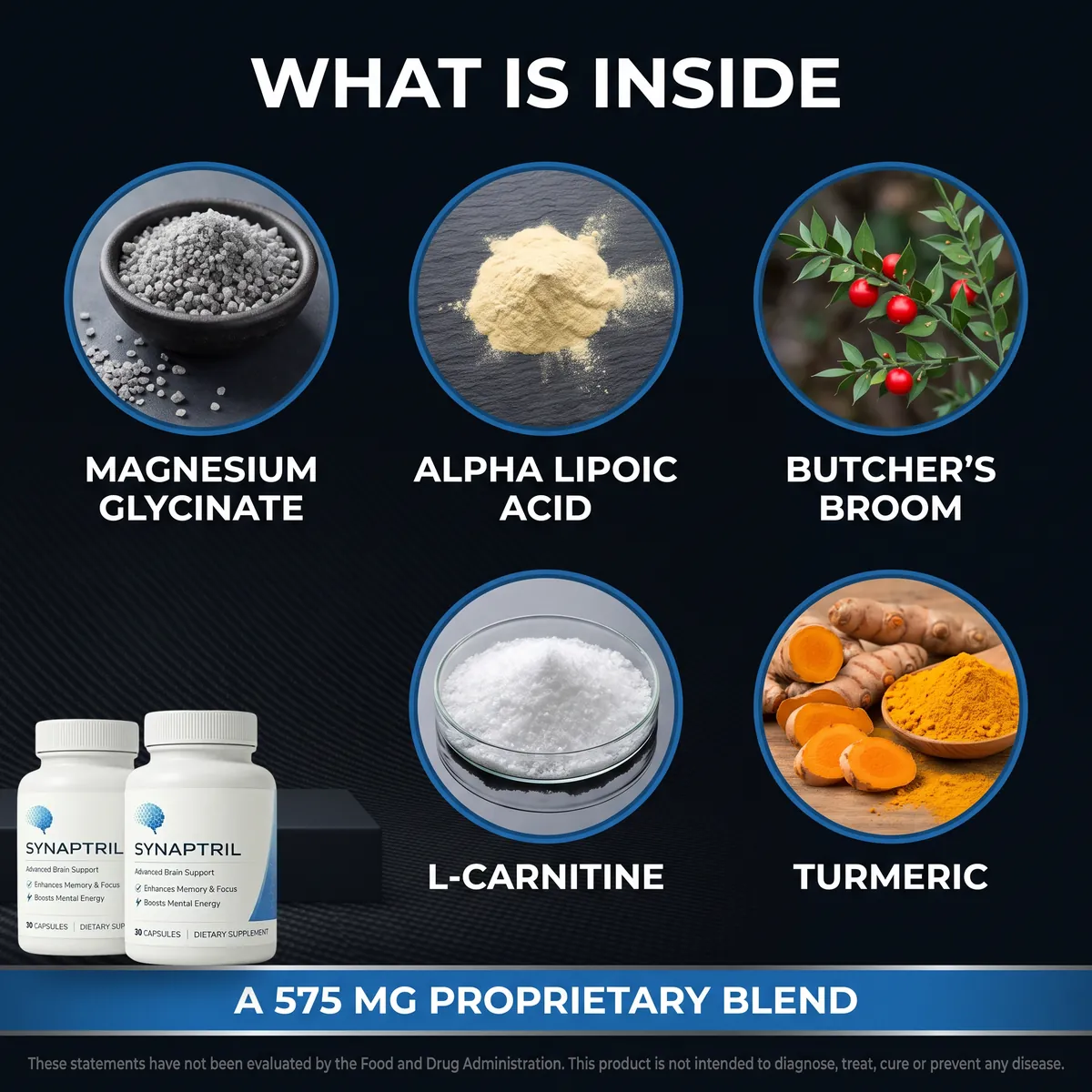
Synaptril is a stimulant-free, once-daily capsule with six named actives — magnesium glycinate, alpha lipoic acid, butcher’s broom, L-carnitine, turmeric and CoQ10 — designed for gradual, everyday support and backed by a 60-day guarantee, so you have time to run a proper trial.
See Synaptril PackagesRather than one number, it helps to think in stages. Here is a realistic picture of what most people can expect from a consistent, nutrient-based nootropic routine:
In the first week your job is simply to build the habit. You are unlikely to feel a dramatic change, and that is completely normal — you are laying the foundation, not flipping a switch. The most useful thing you can do now is anchor the supplement to an existing daily habit, such as breakfast, so you never miss a dose. If anything feels off, such as mild digestive adjustment, taking it with food usually helps.
This is when the nutritional support is beginning to build in the background. Some people start to notice subtle shifts — the mid-afternoon fog feeling a touch lighter, or fewer moments of reaching for a word that will not come. These changes are usually quiet rather than obvious, so a simple journal or a note on your phone helps you spot them. Resist the urge to judge the whole experiment yet; you are still early.
This is the window in which most people can reasonably assess whether a nutrient-based nootropic suits them. By now you have given the ingredients enough consistent, daily exposure to do what they do. Look back over your notes from the past two months and ask whether your everyday focus, mental energy and clarity feel steadier than they did before you started. This retrospective view is far more reliable than any single day’s impression.
A few practical factors influence how quickly you notice results:
Notice what is not on that list: taking more than the label says. Doubling a nutrient serving does not speed anything up, and can be counterproductive. More is not faster — consistent is faster.
If you want a clean read on whether a nootropic works for you, treat it like a small experiment. Pick a start date, take the supplement at the same time every day, and change as little else as possible so you are not confusing the signal. Keep a short weekly note — a single line about your focus, energy and mood is plenty. Give it a full eight to twelve weeks before you draw a conclusion, and buy enough to cover that window so you are not forced to stop halfway. A multi-month supply is not just better value; it is what makes an honest trial possible in the first place. If you are still deciding which formula to test, our buyer’s guide to choosing a nootropic supplement walks through what to compare, and you can always review the full formula on the Synaptril homepage.
Steady, everyday support builds over weeks, not minutes — start today and let consistency do the work.
Order Synaptril TodayIt depends on the type. Stimulant nootropics such as caffeine are felt within about 30 to 60 minutes. Nutrient-based nootropics that rely on minerals, antioxidants and cellular-energy nutrients build gradually, so most people give them a consistent trial of at least four to twelve weeks before judging results.
Not necessarily. A fast stimulant may be noticeable on day one, but a nutrient-first formula is designed to top up your everyday nutrition over time rather than deliver a same-day jolt. Feeling nothing dramatic at first is normal and does not mean it is not working.
Because they work nutritionally rather than as a stimulant. Minerals and antioxidants are absorbed and used by the body over days and weeks, so the support accumulates gradually. This is why consistency — taking the supplement at the same time every day — matters more than any single dose.
A common approach is to give a nutrient-based supplement a full and consistent trial of about eight to twelve weeks while keeping the rest of your routine steady. Track how you feel week to week, and speak to your physician if you have questions or take medication.
No. Exceeding the label serving does not speed up a nutrient-based formula and can be counterproductive. Follow the directions on the label and prioritise daily consistency over a bigger dose.
† These statements have not been evaluated by the Food and Drug Administration. This product is not intended to diagnose, treat, cure or prevent any disease. This article is for general information only and is not medical advice. Consult your physician before beginning any new supplement.
 Synaptril