| The short version | In nootropics vs multivitamins for brain health, they are built for different jobs — a multivitamin fills broad gaps, a nootropic targets focus and memory. |
| Multivitamin | Broad nutritional insurance for the whole body — small amounts of many nutrients. |
| Nootropic | Concentrated brain-support actives chosen for memory, focus and mental energy. |
| Both? | Many people pair a baseline multivitamin with a targeted nootropic — just avoid doubling up. |
Walk down any supplement aisle and you face a familiar fork: a broad multivitamin promising to cover everything, or a focused brain formula promising sharper memory and focus. The nootropics vs multivitamins for brain health question trips people up because both mention the brain on the label, yet they are really solving two different problems. This guide explains what each product is actually designed to do, how their ingredients differ, whether it makes sense to take both, and how to choose the one that fits your goals — all in plain, non-hyped language.
Here is the headline before the detail. A multivitamin is nutritional insurance: it supplies small amounts of many essential vitamins and minerals so you are less likely to fall short across the board. A brain-focused nootropic is targeted support: it concentrates on a shorter list of ingredients traditionally associated with cognition, usually at higher amounts than a general multivitamin would bother to include. So when someone asks which is better for brain health, the honest answer is that it depends on what you are trying to fix. If you want general coverage, reach for the multivitamin. If you want direct daily support for memory, focus and mental energy, a dedicated nootropic is the more pointed tool. They can also work together, which we will come to.
A multivitamin is a broad-spectrum supplement that combines a wide range of vitamins and minerals — often A, C, D, E, K, the B group, plus minerals like zinc, magnesium, selenium and iron — in modest amounts. Its purpose is preventive: to reduce the chance of a nutritional shortfall in people whose diets are inconsistent, restricted or simply busy. Because it is trying to touch many bases at once, each individual ingredient is usually present in a general-maintenance amount rather than a targeted one. That breadth is the whole point. A multivitamin is not pretending to be a specialist; it is a generalist that quietly supports normal function across your entire body, the brain included, by helping you avoid deficiencies that can drag everything down.
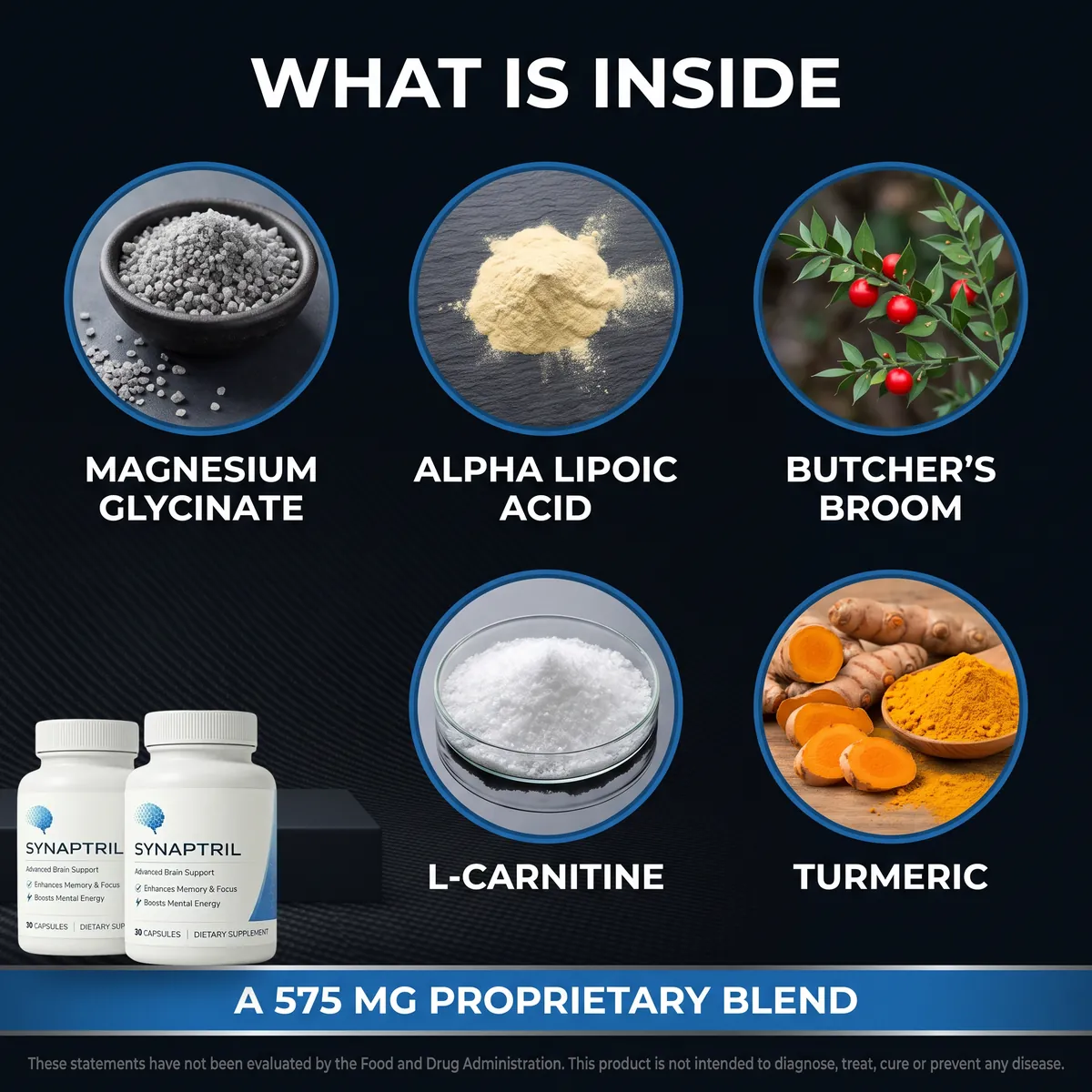
A nootropic — in the everyday supplement sense — is a formula built specifically around ingredients that have a traditional or general association with cognition: memory, focus, mental clarity and everyday mental energy. Instead of trying to cover every nutrient a body needs, it makes deliberate choices. A well-designed nootropic might combine a mineral like magnesium in a well-absorbed form, an antioxidant compound, a botanical with a long history of traditional use, and one or two nutrients that support cellular energy. The emphasis is depth over breadth. To see how this plays out in practice, our guide to nootropic ingredients that support memory and focus walks through six common actives and why they tend to appear together in a single daily capsule.
When you line them up side by side, the contrast in nootropics vs multivitamins for brain health comes down to a handful of qualities:
Notice that this is not a fight where one product wins outright. It is closer to comparing a Swiss Army knife with a screwdriver: the multivitamin does many things adequately, while the nootropic does one thing more directly.
The confusion usually starts at the overlap. Some nutrients — B vitamins and magnesium are the classic examples — show up in both categories because they play roles in normal nervous-system and energy function. A multivitamin includes them as part of general coverage; a nootropic may include them because they fit its brain-support theme. This overlap is helpful to know about, because taking a multivitamin and a nootropic that both contain generous magnesium, for instance, means you should read both labels and make sure the combined amount still sits within sensible limits.
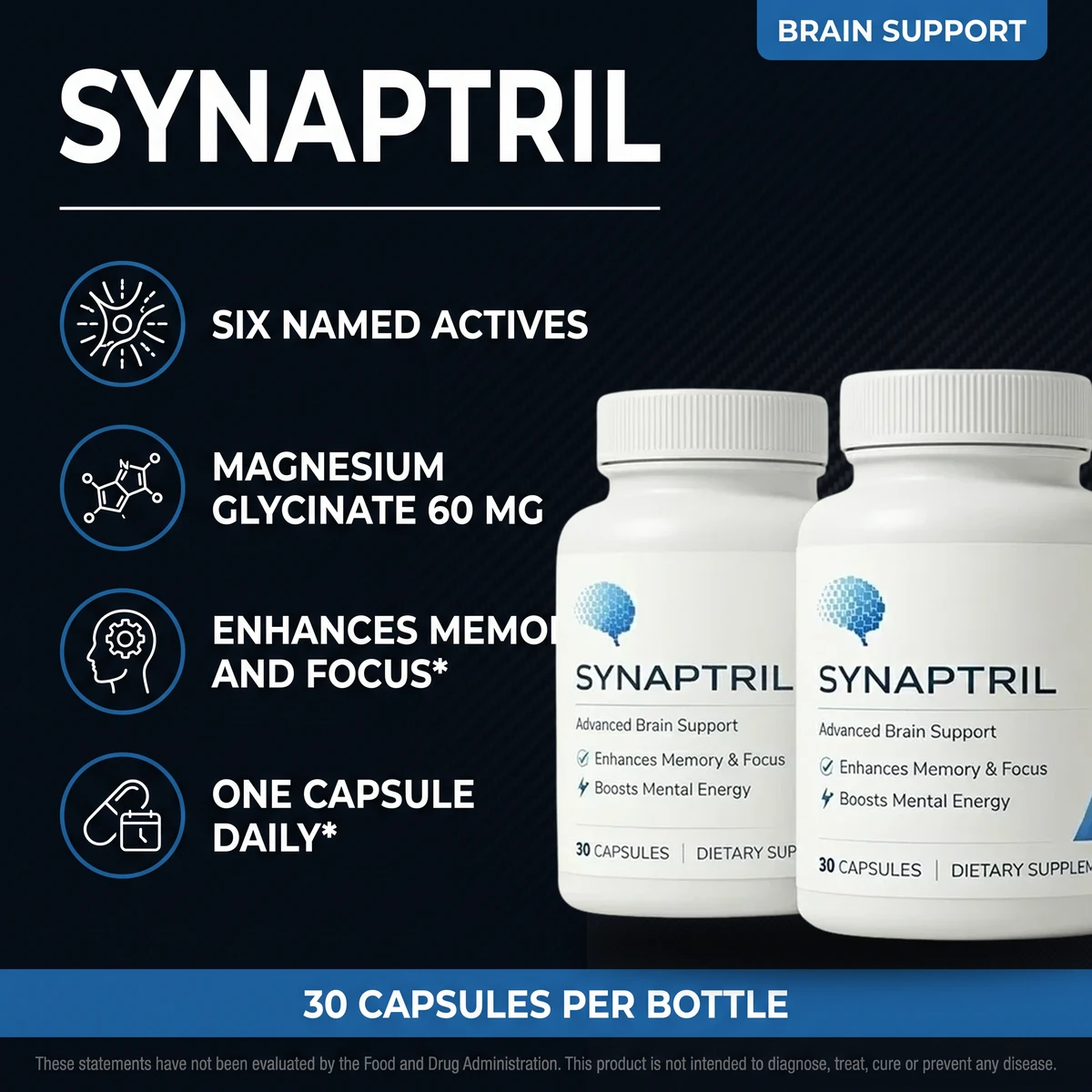
Synaptril concentrates six named actives for memory, focus and mental-energy support into one once-daily capsule — made in a GMP-registered USA facility and backed by a 60-day guarantee.
See Synaptril PackagesFor a lot of people, the sensible answer is a layered one. Think of a general multivitamin as your baseline insurance against diet gaps, and a targeted nootropic as an add-on when your specific goal is daily focus and memory support. They are not mutually exclusive, and because they overlap only partly, running both is a reasonable strategy — provided you are not stacking identical nutrients at high amounts. If budget or simplicity forces you to pick just one, go back to the gap you are trying to fill. A restricted or unreliable diet argues for the multivitamin first. A generally decent diet plus a clear wish for focus support argues for the nootropic. If you are weighing whether a single all-in-one formula beats assembling several products, our comparison of a nootropic stack versus a single supplement is a useful companion read.
Choosing well is mostly about being honest with yourself about the outcome you want. Run through these questions:
For a fuller framework, our step-by-step buyer's guide to choosing a nootropic supplement covers how to read the label, judge ingredient forms and amounts, and spot quality signals before you commit.
Whichever category you land on, the label habits are the same. Look for named ingredients with clearly stated amounts rather than a vague proprietary blend that hides how much of anything you are getting. Check the ingredient forms, since a well-absorbed form of a mineral can matter more than a big headline number. Prefer products made in a GMP-registered facility, and be wary of anything promising dramatic, fast, medical-sounding results — supplements support normal function; they are not treatments. Finally, weigh cost per serving rather than the sticker price of the bottle, because a cheaper bottle with a tiny serving can cost more per day than it first appears. You can see the full formula and label approach on the Synaptril homepage.
One capsule, six named actives, transparent amounts — a straightforward way to add targeted brain support to your day.
Order Synaptril Today
They are built for different jobs. A multivitamin fills broad nutritional gaps across the whole body, while a brain-focused nootropic concentrates on ingredients traditionally associated with memory, focus and mental energy. Neither is universally better; the right choice depends on whether you want general insurance or targeted daily support.
Many people do, because they overlap only partly. A common approach is a general multivitamin for baseline nutrition plus a targeted nootropic for focus support. Check both labels so you are not doubling up on the same nutrients, and speak with your doctor or pharmacist if you take medication or have a health condition.
A multivitamin mainly helps by preventing shortfalls in everyday nutrients, which supports normal function throughout the body, including the brain. It is not designed as a targeted focus product, so it usually contains lower amounts of the specific brain-support actives you would find concentrated in a dedicated nootropic.
Some do. Many brain-support formulas include selected vitamins and minerals such as B vitamins or magnesium alongside herbal and nutrient actives. The difference is emphasis: a nootropic chooses ingredients for their traditional association with cognition rather than trying to cover every nutrient a body needs.
If your diet is generally poor or restricted, a multivitamin is a sensible baseline. If you eat reasonably well but want focused daily support for memory, focus and mental energy, a targeted nootropic is the more direct choice. Match the product to the gap you are actually trying to fill.
† These statements have not been evaluated by the Food and Drug Administration. This product is not intended to diagnose, treat, cure or prevent any disease. This article is for general information only and is not medical advice. Consult your physician before beginning any new supplement.
 Synaptril