| The short version | To choose a nootropic supplement, read the Supplement Facts panel first — reward named actives with visible doses over a vague “focus blend.” |
| Then check | Ingredient forms, quality signals (GMP, made in USA), and whether it is stimulant-free or stimulant-based. |
| Finally weigh | Cost per serving and a real money-back guarantee — value, not just the lowest price. |
| Biggest red flag | Dramatic, overnight, “guaranteed” brain claims — treat those as marketing, not science. |
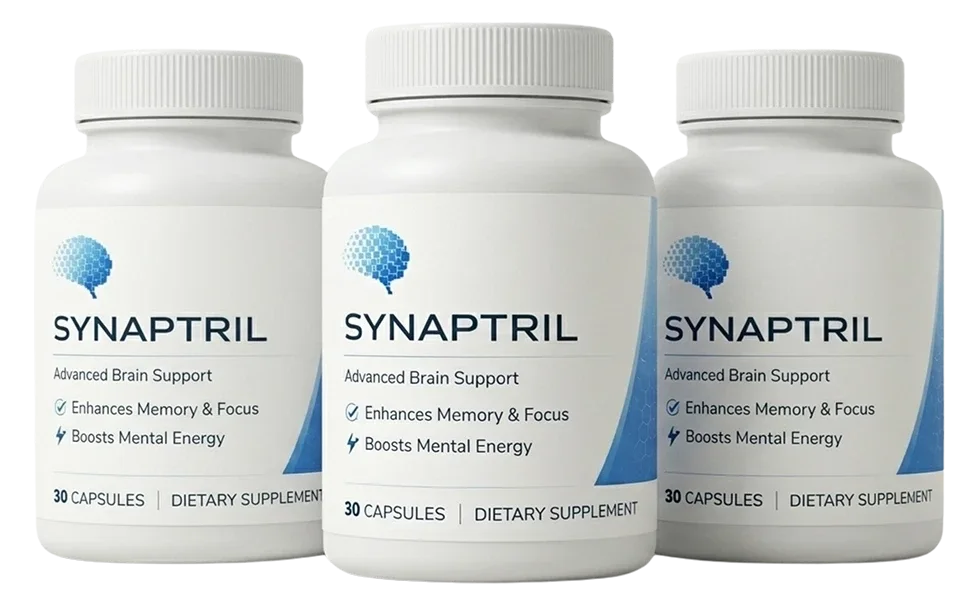
Walk down the supplement aisle or scroll an online marketplace and the “brain support” category can feel impossible to compare. Every bottle promises focus, memory and mental energy, and the front of the box rarely tells you what is actually inside. Learning how to choose a nootropic supplement is really about learning to ignore the marketing and read the parts of the label that carry real information. This guide walks through that process step by step so you can compare any two products with confidence — whether you end up with our own formula or someone else’s.
In everyday language, a nootropic supplement is a dietary product that combines nutrients, botanicals or compounds studied for their role in ordinary brain function — memory, focus and steady mental energy. That is a broad umbrella, and it includes everything from a single-ingredient magnesium capsule to a multi-active daily formula. It is worth being clear that a dietary supplement is not a medication and should not promise to treat a condition. If you want a fuller primer on what goes into these products, our companion guide to nootropic ingredients that support memory and focus breaks down six of the most common actives in plain language.
Because the category is so broad, the smartest way to shop is to hold every product to the same short checklist. The five steps below do exactly that.
The single most useful habit when choosing a nootropic supplement is to turn the bottle around and read the Supplement Facts panel rather than the headline on the front. A trustworthy formula names each active and, wherever possible, shows the amount per serving. When you can see the ingredients and their doses, you can compare products on the merits instead of on their packaging.
This is also where proprietary blends come in. A proprietary blend groups several ingredients under one combined total, so you can see the sum but not how much of any single ingredient you are getting. Proprietary blends are legal and extremely common, and their presence is not automatically a red flag — but transparency is something you can see, and it is a reasonable thing to reward with your money. Given two otherwise similar products, the one that names every active and its amount is easier to trust and easier to compare.
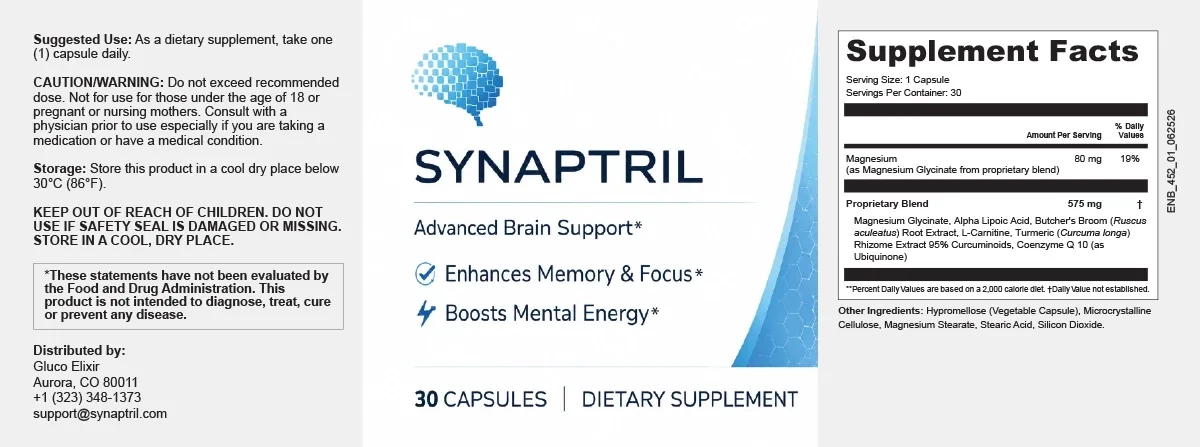
Two labels can list the same ingredient and still be quite different, because the form of a nutrient affects how gentle and well-absorbed it tends to be. Magnesium is the classic example: “magnesium” on its own tells you little, whereas magnesium glycinate is a chelated form generally chosen for being easy on the stomach and well absorbed. Turmeric is another — a standardised extract (commonly to 95% curcuminoids) delivers a measured, consistent amount of the active compounds, which a pinch of kitchen spice does not.
So when you read a panel, look past the ingredient name to the specific form in brackets, and note the serving size that produces the listed amounts. A formula that quietly relies on a large serving to reach its numbers is not necessarily worse, but you should know what you are signing up for. This attention to form and dose is what separates a considered purchase from an impulse buy.
Beyond the ingredients themselves, a handful of manufacturing signals tell you how carefully a product is made. The most useful ones to look for are:
None of these badges is a guarantee of results, and they are not disease claims — they simply describe how and where a product is made. But taken together they signal that a company has invested in doing the unglamorous parts properly, which is exactly the kind of thing worth rewarding when two formulas otherwise look alike.
Synaptril names all six of its actives on the label — magnesium glycinate, alpha lipoic acid, butcher’s broom, L-carnitine, turmeric and CoQ10 — in a once-daily capsule made in a GMP-registered, USA facility, backed by a 60-day guarantee.
See Synaptril PackagesThere is no universally “best” nootropic — only the one that fits how you want to feel and function. The biggest fork in the road is stimulant versus stimulant-free. Stimulant-based products lean on caffeine or similar compounds to create a fast, obvious lift, which some people love and others find leaves them jittery or unable to sleep. Nutrient-first formulas work differently: instead of borrowing energy you pay back later, they aim to supply the minerals, antioxidants and cellular-energy nutrients that everyday brain function draws on over time. If you are weighing that trade-off specifically, our comparison of nootropics versus coffee for focus goes deeper.
Also think about format and routine. A once-daily capsule is easy to keep up because there is nothing to mix or measure, whereas a powder offers flexibility if you like adjusting your serving. Neither is inherently superior; the right choice is the one you will actually take consistently, because with nutrient-based support consistency is the real active ingredient.
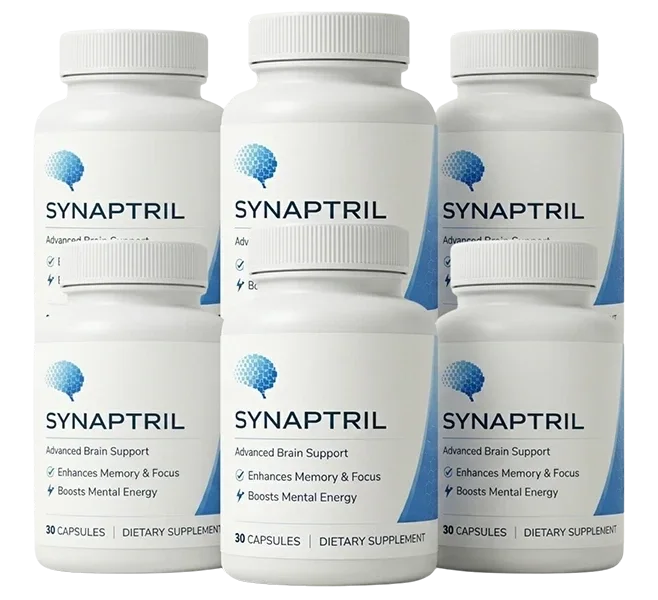
Price matters, but the sticker on the bottle is the wrong number to compare. Instead, work out the cost per serving, because a larger bottle or a multi-bottle package often lowers the per-day cost substantially even though its total price looks higher. Then factor in the guarantee: a genuine money-back window lets you try a formula with far less risk, which is worth real money in itself. If you want a fuller framework for judging value, see our piece on whether nootropic supplements are worth it.
Finally, a short list of signals that should give you pause. Be wary of any product that promises dramatic, overnight or guaranteed brain results — supplements support everyday function, they do not deliver miracles, and language like that is marketing rather than science. Be cautious when nearly the whole formula hides inside a proprietary blend, when the label avoids naming forms or doses, or when reviews sound too uniformly perfect. And treat as a hard stop anything that claims to treat, cure or prevent a disease, because dietary supplements are not permitted to make those claims.
One more sensible habit: talk to your physician before starting any new supplement if you take medication, have a medical condition, or are pregnant or nursing. Choosing well is partly about the label and partly about your own circumstances.
Use the checklist above on any bottle you like — then see how Synaptril’s named, once-daily formula stacks up.
Order Synaptril TodayStart with the Supplement Facts panel: favour a formula that names every active with visible amounts, uses well-studied forms of each nutrient, and is made in a GMP-registered facility. Then match the formula to your goal (stimulant-free versus stimulant), and finally weigh cost per serving and the money-back guarantee.
Look for named ingredients rather than a vague “focus blend,” the specific form of each nutrient (for example magnesium glycinate rather than just magnesium), the serving size and directions, and quality signals such as GMP certification and a made-in-USA facility.
Proprietary blends are legal and common, but they group several ingredients under one total so you cannot see how much of each you are getting. That is not automatically a red flag, yet transparency is easy to reward: a label that names each active and its amount lets you compare products fairly.
There is no single fair price, so compare cost per serving rather than the sticker on the bottle. Multi-bottle packages usually lower the per-day cost, and a genuine money-back guarantee lets you try a formula with less risk. Value comes from transparency and quality, not simply the lowest number.
Not necessarily. Stimulant-based formulas create a fast, obvious lift that can fade and interfere with sleep, while nutrient-first formulas aim to supply minerals, antioxidants and cellular-energy nutrients for steady daily support. Which suits you depends on your goals and how you respond to caffeine.
† These statements have not been evaluated by the Food and Drug Administration. This product is not intended to diagnose, treat, cure or prevent any disease. This article is for general information only and is not medical advice. Consult your physician before beginning any new supplement.
 Synaptril