| The short version | In nootropics vs adaptogens for stress and focus, nootropics lean toward mental performance while adaptogens lean toward stress balance. |
| Nootropics | Ingredients chosen for their traditional link to memory, focus and mental energy. |
| Adaptogens | Botanicals traditionally used to help the body cope with everyday stress. |
| Together? | The categories overlap, and many formulas deliberately combine both — just avoid doubling up. |
Two buzzwords dominate the wellness shelf right now: nootropics and adaptogens. Both promise to help you feel more capable under pressure, and both borrow heavily from traditional herbal use, so it is easy to assume they are the same thing with different marketing. They are not. The nootropics vs adaptogens for stress and focus question is really about emphasis — which problem each category was designed to address first. This guide untangles the two, explains where they overlap, and helps you decide which belongs in your daily routine, or whether the smartest answer is a bit of both.
If you want the bottom line up front: reach for a nootropic when your primary goal is mental performance — memory, focus, clarity and everyday mental energy. Reach for adaptogens when your primary goal is helping your body cope with the ordinary stresses of a busy life. The reason people confuse them is that stress and focus are deeply intertwined; a stressful, scattered day undermines concentration, and poor concentration adds to stress. So the two categories often end up in the same formula, working on different ends of the same problem. Neither is a treatment for anything, and neither replaces good sleep, movement and a sensible diet — they are daily support, not shortcuts.
In everyday supplement language, nootropics are ingredients selected specifically for their traditional or general association with cognition. A brain-focused formula might combine a well-absorbed mineral, an antioxidant compound, one or two nutrients that support cellular energy, and a botanical with a long history of use for mental clarity. The unifying theme is the mind: memory, focus, and the steady mental energy you need to get through demanding work. If you want to understand the building blocks, our explainer on nootropic ingredients that support memory and focus walks through six common actives and why they are often paired in a single daily capsule.
Adaptogens are a loosely defined group of botanicals — think of herbs and roots used for centuries in traditional systems of wellness — that share a reputation for helping the body adapt to and cope with everyday stress. The traditional idea is one of balance: rather than pushing you up like a stimulant or down like a sedative, adaptogens are described as helping the body find a steadier baseline when life is demanding. Because chronic, low-grade stress can leave you feeling frazzled and unfocused, adaptogens are often marketed alongside focus benefits, but their historical home is the stress-and-resilience conversation, not the raw-cognition one.
Put them side by side and the contrast in nootropics vs adaptogens for stress and focus becomes clearer:
The honest takeaway is that this is not a rivalry so much as a division of labour. One category leans into the head, the other into the body's stress response, and they meet in the middle on busy, high-pressure days.
The overlap is real and worth understanding. A handful of botanicals are described as both adaptogens and nootropics because tradition links them to stress balance and to mental clarity at the same time. That is why you will often see a single "focus and calm" product that blends adaptogenic herbs with more classic brain-support nutrients. There is nothing wrong with that — it can be a tidy way to cover both bases — but it does mean you should read the label so you know which job each ingredient is doing and at what amount.
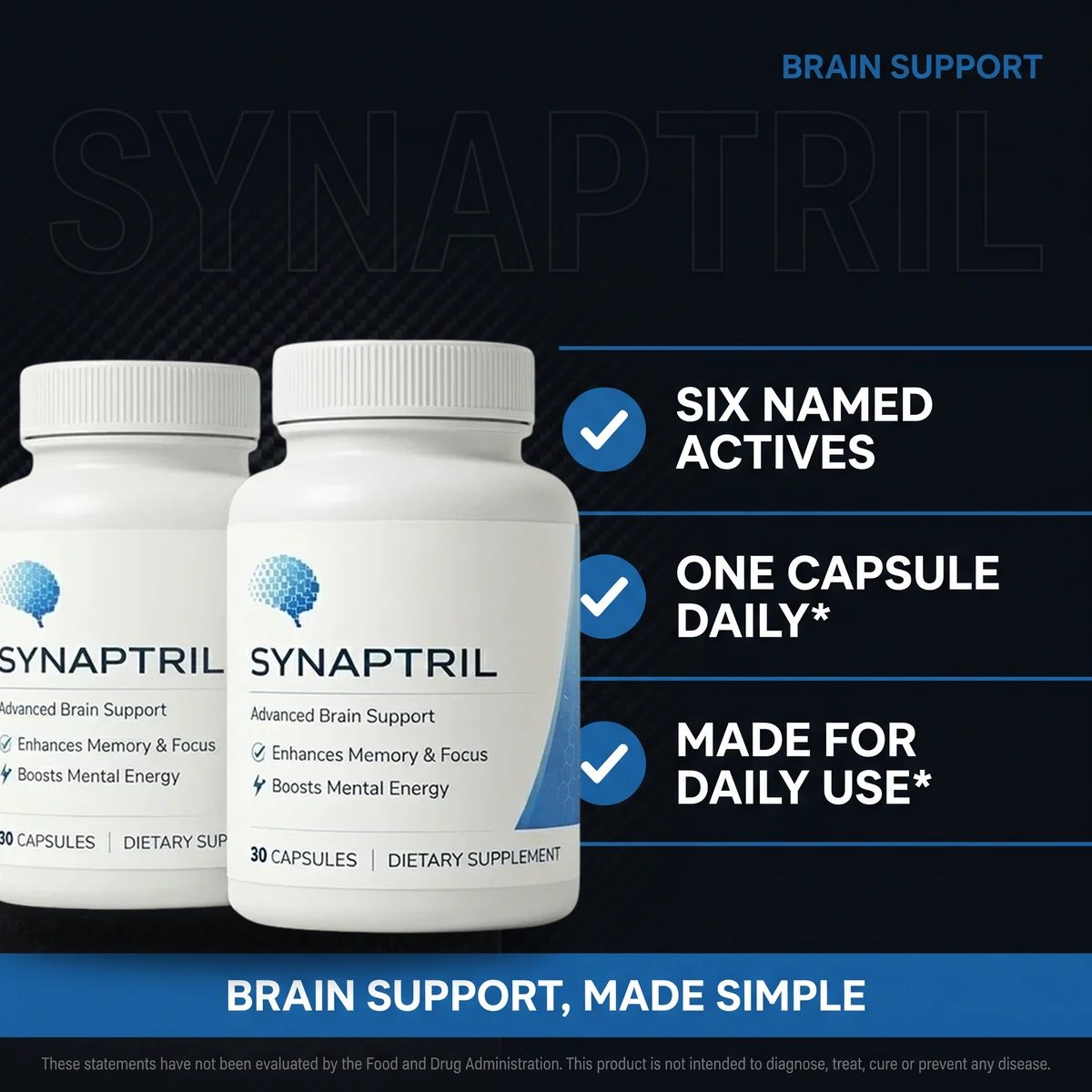
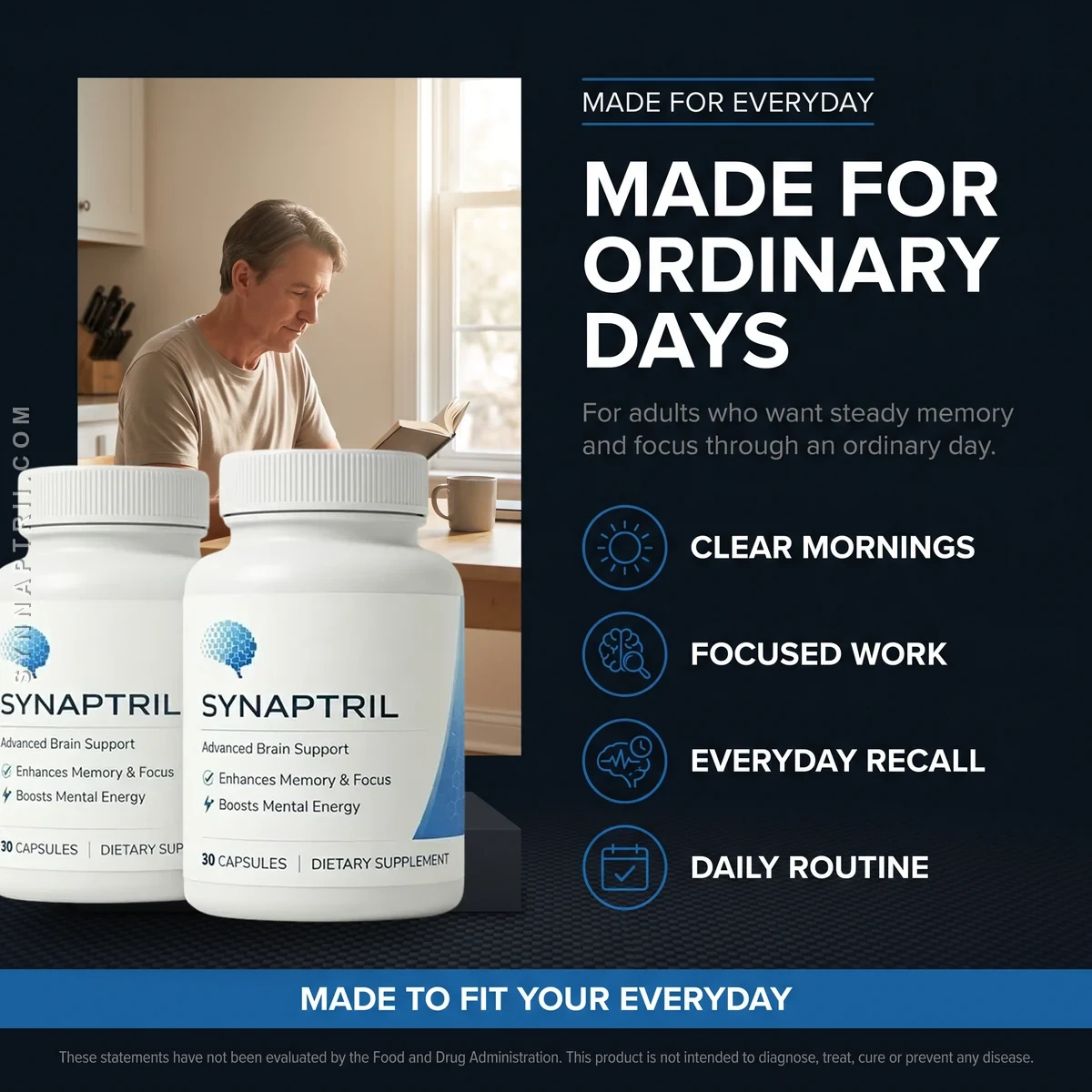
Synaptril concentrates six named actives for memory, focus and mental-energy support into one once-daily capsule — made in a GMP-registered USA facility and backed by a 60-day guarantee.
See Synaptril PackagesYes — and plenty of people do. Because nootropics and adaptogens address different ends of the stress-and-focus spectrum, combining them is a common strategy: adaptogens to help take the edge off a demanding week, a nootropic to support the mental performance you need to get through it. Many multi-ingredient formulas already do this blending for you. The two cautions are the same ones that apply to any supplement combination. First, read both labels so you are not unknowingly taking a large combined amount of the same ingredient. Second, if you take prescription medication, are pregnant or breastfeeding, or have a health condition, run the plan past your doctor or pharmacist first — our overview of nootropic safety, side effects and interactions covers the sensible checks.
Start with the problem you feel most acutely, then match the category to it:
For a broader decision framework, our buyer's guide to choosing a nootropic supplement covers reading the label, judging ingredient forms and amounts, and spotting quality signals. If caffeine is part of your current routine, our comparison of nootropics versus coffee for focus is a useful companion. You can also see the full Synaptril formula on the homepage.
Whichever direction you go, keep your expectations grounded. Neither nootropics nor adaptogens are medicines, and neither will erase a genuinely overloaded schedule or a chronic sleep debt. What well-chosen daily support can do is sit quietly in the background of a life that already has the basics roughly in place — decent sleep, some movement, reasonable food — and give you a little more steadiness on demanding days. Judge either category over a few weeks of consistent use, not a single dose, and pay attention to how you feel across a normal week rather than expecting a dramatic switch to flip.
One capsule, six named actives, transparent amounts — targeted brain support you can keep up without a second thought.
Order Synaptril Today
Nootropics are ingredients chosen for their traditional association with cognition — memory, focus and mental energy. Adaptogens are a group of botanicals traditionally used to help the body cope with everyday stress. They overlap because stress and focus are linked, but their emphasis differs: nootropics lean toward mental performance, adaptogens toward stress balance.
Sometimes the categories overlap. Certain botanicals are described both as adaptogens and as nootropics because they are traditionally linked to both stress balance and mental clarity. The label used often depends on why the ingredient is included in a formula rather than a strict scientific boundary.
Many multi-ingredient formulas already combine both types on purpose, and many people take them together. As always, read both labels to avoid duplicating the same ingredient at high amounts, and check with your doctor or pharmacist if you take medication, are pregnant or have a health condition.
Adaptogens are the category traditionally associated with helping the body cope with everyday stress, so they are the more direct fit for a stress-first goal. Nootropics can support the focus side of a stressful day, but their primary emphasis is cognition rather than stress balance.
For a focus-first goal, a dedicated nootropic is the more direct choice because it is built around ingredients traditionally associated with memory, focus and mental energy. Adaptogens may help indirectly by supporting stress balance, but focus is not their main theme.
† These statements have not been evaluated by the Food and Drug Administration. This product is not intended to diagnose, treat, cure or prevent any disease. This article is for general information only and is not medical advice. Consult your physician before beginning any new supplement.
 Synaptril