| The short version | Do nootropics really work? Well-chosen formulas can offer gradual, general support for memory, focus and mental energy — but they are not medicines and do not produce instant, dramatic results. |
| What they can do | Support normal function when taken consistently, alongside good habits. |
| What they cannot do | Treat conditions, replace sleep, or guarantee a specific outcome. |
| How to judge | Run a fair multi-week trial and watch how you feel across a normal week. |
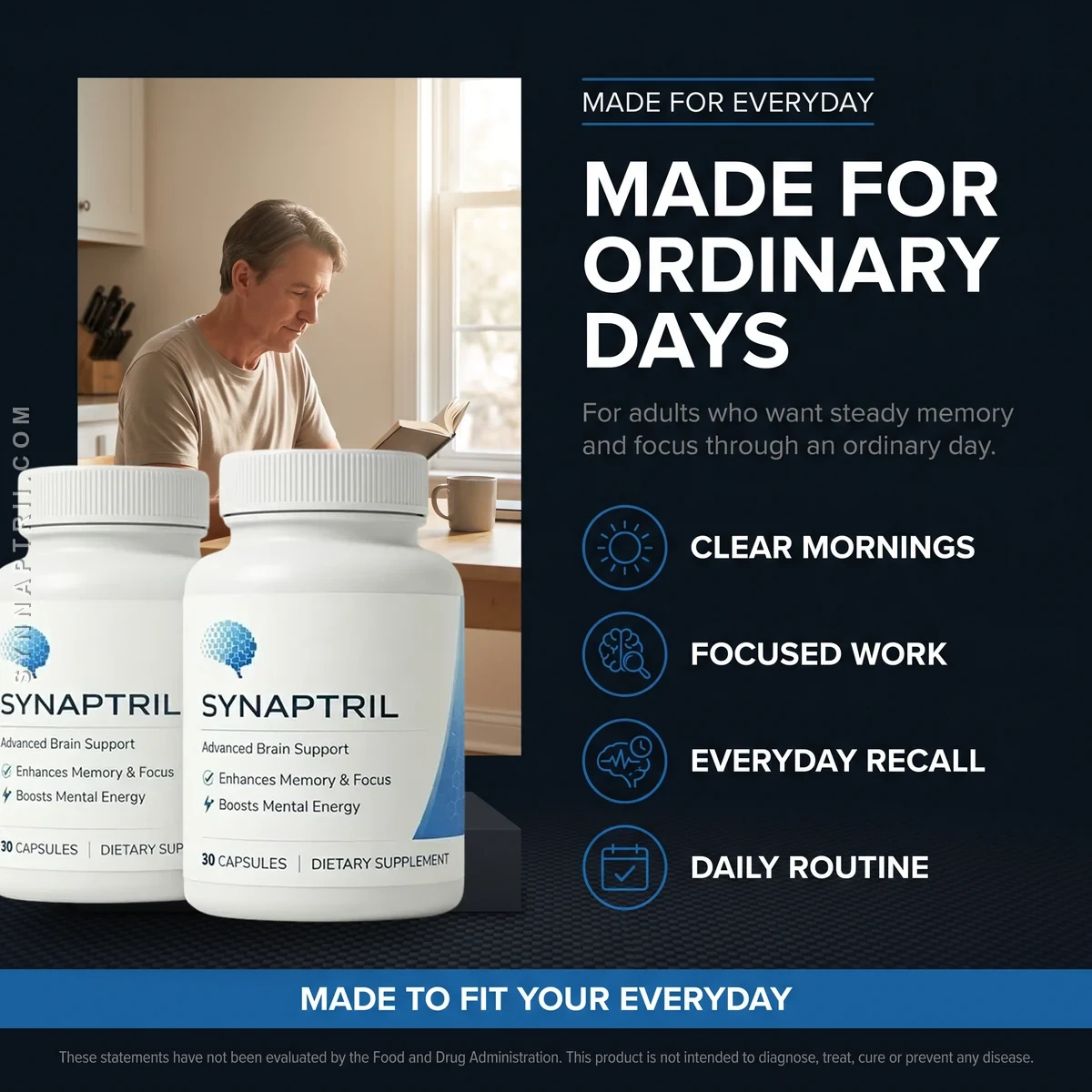
It is the question behind every brain-supplement search: do nootropics really work, or are they clever marketing wrapped around a hopeful pill? The honest answer sits between the two extremes you usually hear — neither "miracle smart drug" nor "total scam." This evidence-minded guide explains what nootropics can and cannot reasonably do, why they seem to work brilliantly for some people and do nothing for others, how to run a fair personal test, and how to keep your expectations grounded so you can judge for yourself without being misled in either direction.
Whether nootropics "work" depends entirely on what you mean by the word. If you expect a supplement to act like a prescription medicine — a dramatic, reliable, same-day change — then no, that is not what a dietary supplement is or is allowed to claim. If instead you mean general, gradual support for memory, focus and everyday mental energy from ingredients with a nutritional or traditional basis, taken consistently as one part of a sensible routine, then a well-formulated product can play a supporting role for many people. The trap is the gap between those two definitions. A lot of disappointment comes from buying with medicine-sized expectations and judging the result after two days. Set the frame correctly and the question becomes far easier to answer for yourself.
Within the honest frame, sensible daily support can help in a few grounded ways. Filling a genuine nutritional gap can matter, because running short on certain everyday nutrients does not do your thinking any favours, and topping that up supports normal function. Ingredients traditionally associated with cognition can offer gentle background support for the foundations that memory and focus rest on — things like circulation, cellular energy and antioxidant balance. And a steady routine can help with the consistency side of mental energy across a day. None of this is dramatic, and that is the point: the realistic benefit is a modest, cumulative nudge, not a switch that flips. To understand the building blocks, our explainer on nootropic ingredients that support memory and focus covers six common actives and what each is traditionally used for.
Equally important is the other side of the ledger. A dietary supplement is not a medicine: it is not intended to diagnose, treat, cure or prevent any disease, and any product claiming otherwise should raise a red flag. Nootropics will not turn an average memory into a photographic one, and they cannot out-muscle the basics — no capsule compensates for chronic sleep debt, which is arguably the most powerful lever on both attention and memory. They also will not deliver identical results to everyone, and they are not a licence to skip the habits that genuinely sharpen thinking. Keeping these limits in view is what separates a realistic user from a disappointed one.
Ask ten people do nootropics really work and you will get ten different answers, which itself is a clue. Results vary because starting points vary:
Because of all this, someone else's rave review or dismissive shrug tells you surprisingly little about how a formula will sit with you. The only reliable answer is a careful test on yourself.
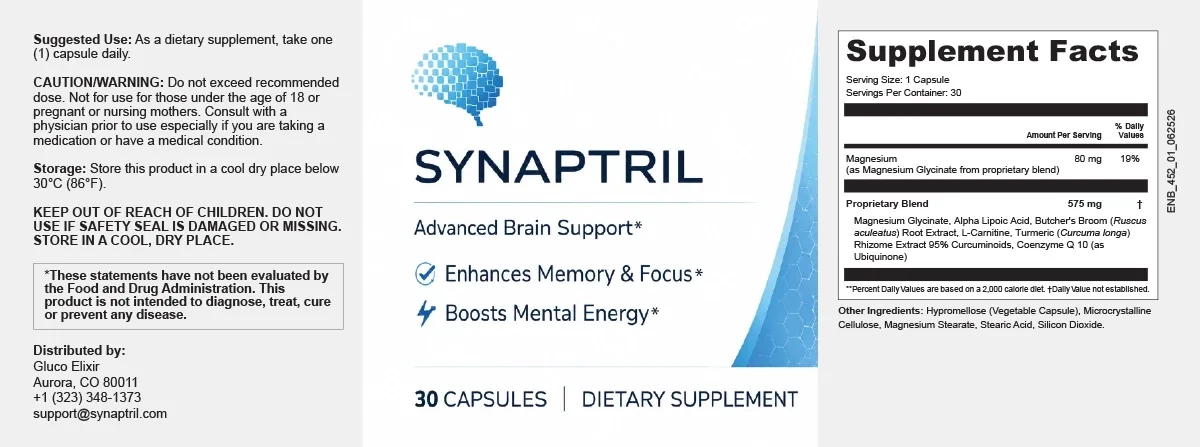
Synaptril lists six named actives at transparent amounts in one once-daily capsule — made in a GMP-registered USA facility and backed by a 60-day guarantee, so you can run an honest multi-week trial.
See Synaptril PackagesThe smartest way to answer the question is to treat yourself as a small experiment. A few rules make the result trustworthy:
A money-back guarantee makes this kind of honest trial low-risk, which is one reason buying from a source that offers one matters. If you are weighing the spend against the likely benefit, our piece on whether nootropic supplements are worth it covers value and expectations in more depth. You can also see the full formula on the Synaptril homepage.
Any honest discussion has to mention placebo, because expecting something to help genuinely changes what you notice. That does not mean every effect is imaginary — ingredients can have a real nutritional and traditional basis — but it is a good reason to stay modest and to lean on a multi-week trial rather than a single hopeful morning. The practical upshot is not cynicism; it is discipline. Test carefully, keep expectations realistic, and let a few weeks of honest observation settle the question for your own brain rather than relying on hype or on other people's stories.
Transparent ingredients, one daily capsule, and a 60-day money-back guarantee — everything you need to run a fair test on your own focus and energy.
Order Synaptril Today
It depends on the ingredient, the person and the expectation. Well-chosen nutrient- and botanical-based formulas can offer general support for memory, focus and mental energy, and some ingredients have a stronger tradition of use than others. What they do not do is act like a medicine or produce dramatic, instant, guaranteed effects. Realistic, gradual support is the honest frame.
Stimulant ingredients like caffeine can be felt within an hour, but most nutrient-based support builds gradually, so a fair personal test usually runs several weeks of consistent daily use. Judging a formula after a day or two rarely gives an accurate picture.
Results vary because starting points differ. Someone short on a particular nutrient, or running on poor sleep, may notice more from support than someone whose foundations are already solid. Diet, genetics, expectations and the quality of the specific product all play a role.
Placebo is a real and powerful factor with anything you expect to help, and it is part of why honest testing matters. That does not mean every effect is placebo — some ingredients have a genuine traditional and nutritional basis — but it is a good reason to keep expectations modest and judge results over time rather than on a single hopeful day.
Get the foundations right first — sleep, movement, hydration and a reasonable diet — because a supplement supports those rather than replacing them. Then take it consistently, choose a product with named ingredients at transparent amounts, and give it a fair multi-week trial before deciding.
† These statements have not been evaluated by the Food and Drug Administration. This product is not intended to diagnose, treat, cure or prevent any disease. This article is for general information only and is not medical advice. Consult your physician before beginning any new supplement.
 Synaptril