| The short version | In nootropics vs energy drinks for focus, they solve different problems — a fast hit versus a steady foundation. |
| Energy drinks | Fast lift from caffeine and often sugar; can bring a crash and disrupt sleep. |
| Nutrient nootropics | Gradual, steady support from minerals, antioxidants and energy nutrients — no sugar spike, no crash. |
| Best move | Use a stimulant-free nootropic as your daily base; save energy drinks for the occasional quick hit. |
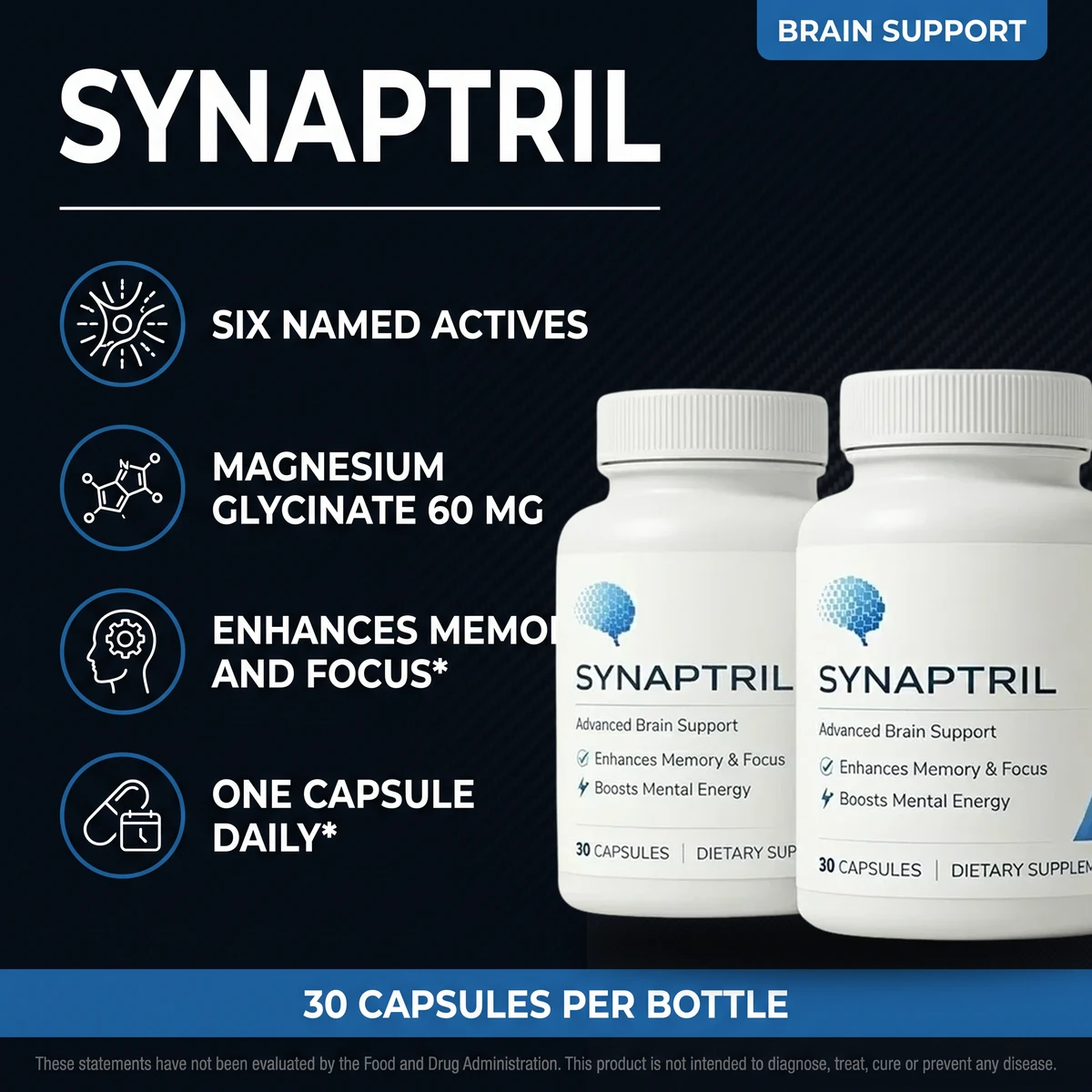
When the afternoon slump hits, plenty of people reach for an energy drink — but is that fast, fizzy hit really the best way to focus, or would a nutrient-based brain supplement serve you better? The honest answer to nootropics vs energy drinks is that the two are built for completely different jobs. An energy drink is a stimulant-and-sugar beverage engineered for an instant burst; a nutrient nootropic is a slow-building nutritional foundation. This guide compares them head to head on the things that actually matter — onset, the crash, sleep, sugar and long-term value — so you can decide which belongs in your day.
If you have already read our take on nootropics vs coffee for focus, some of the caffeine logic will feel familiar — but energy drinks add two twists coffee does not: a lot more sugar in many cases, and a cocktail of additional ingredients. Those twists change the comparison, so they are worth looking at closely.
Energy drinks work primarily through caffeine, often at a higher dose per serving than a standard cup of coffee, frequently combined with sugar and a mix of other ingredients such as taurine and B-vitamins. The result is a fast, unmistakable lift — that is the entire selling point. Within a short time you feel more alert and switched on, which is exactly what you want when you are flagging before a deadline or a long drive.
The trade-offs, though, come from the very same ingredients. The caffeine that lifts you can later leave a dip as it wears off, and in sugary formulations the blood-sugar spike is followed by a dip of its own — a double whammy that many people experience as the classic energy-drink crash. High caffeine late in the day can also push back your sleep, and the sugar and calories add up quickly if energy drinks become a daily habit. None of this makes an occasional energy drink a disaster; it simply means the effect is fast, sweet and temporary by design.
A nutrient-based nootropic comes at focus from the opposite direction. Rather than a caffeine-and-sugar jolt, it aims to supply the raw materials healthy brain function draws on over time — minerals such as magnesium, antioxidants like alpha lipoic acid and turmeric, and cellular-energy nutrients such as L-carnitine and CoQ10. Because this is a nutritional approach, there is no instant switch and, crucially, no sugar spike and no crash. Instead the support builds gradually with consistent daily use. You can see a plain-language breakdown in our guide to nootropic ingredients that support memory and focus.
The experience, then, is different in kind. An energy drink is a loud, short-lived event; a nutrient nootropic is a quiet, ongoing foundation. One is measured in the hours after you drink it; the other is measured in how you feel across the weeks you take it consistently.
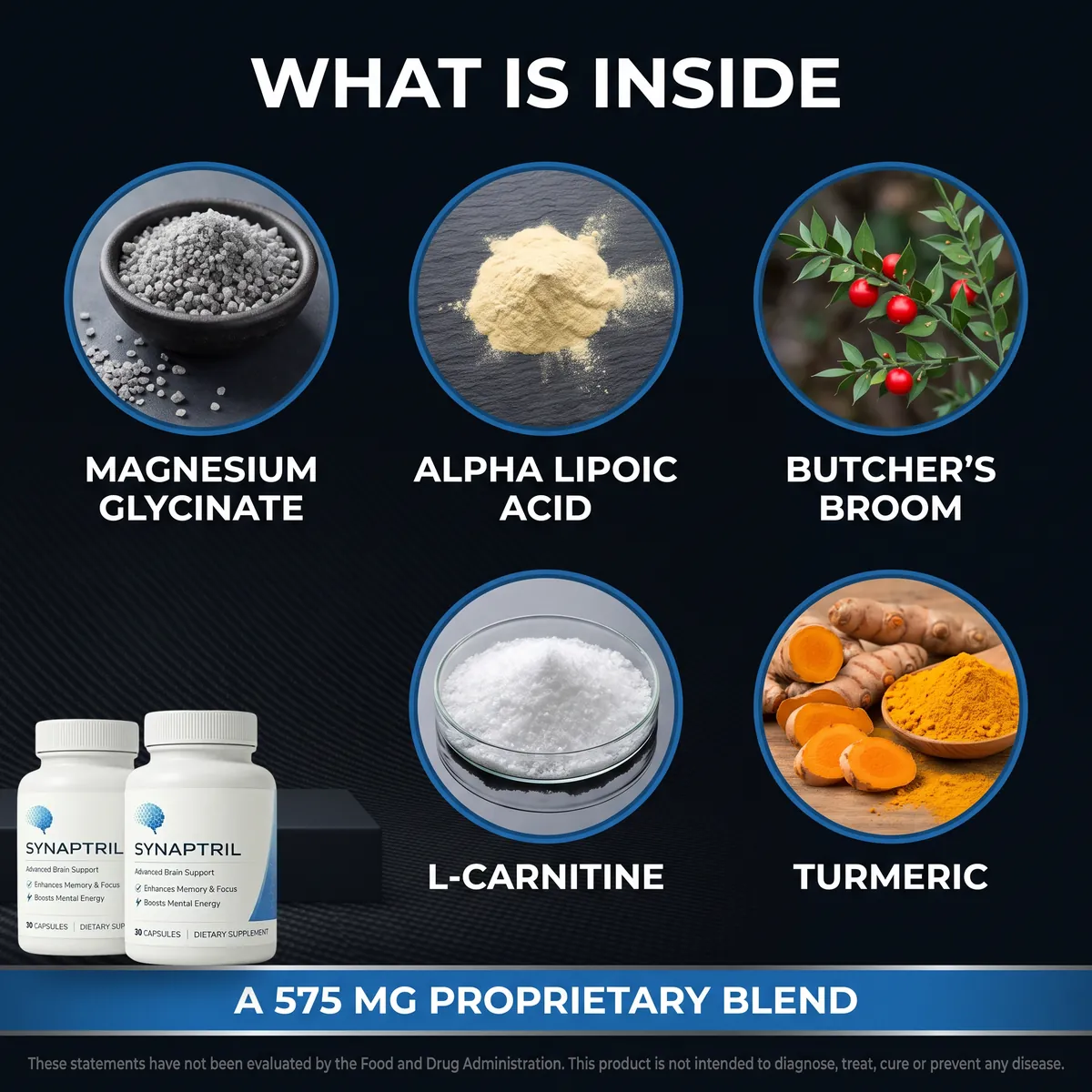
Synaptril is a stimulant-free, sugar-free, once-daily capsule with six named actives — magnesium glycinate, alpha lipoic acid, butcher’s broom, L-carnitine, turmeric and CoQ10 — designed for gradual, everyday support and backed by a 60-day guarantee.
See Synaptril PackagesPut the two side by side and the contrast is stark across the qualities people care about most:
Framed this way, it is clear the two are not really competitors so much as tools for different moments. An energy drink is a sprint; a nutrient nootropic is the base layer you build underneath it.
The hidden factor in that table is what happens over a month rather than an afternoon. One energy drink is a one-off decision, but the reason people search for an alternative is usually that one has quietly become two, and two has become a daily habit — at which point the caffeine, the sugar and the cost all compound. A once-daily capsule sidesteps that creep entirely: there is no escalating dose to chase, because a nutrient is consumed as part of everyday nutrition rather than for a bigger and bigger hit. That difference in trajectory, more than any single afternoon’s feeling, is what makes the two approaches suited to genuinely different roles in your routine.
For many people, yes — because they do different jobs. A stimulant-free daily nootropic quietly supplies nutritional support in the background, while an energy drink can provide an on-demand burst when you genuinely need one. If you do combine them, a few sensible habits help: keep an eye on your total daily caffeine and sugar, favour the energy drink earlier in the day so it does not eat into your sleep, stay hydrated with actual water, and remember that no beverage or capsule replaces the fundamentals of rest, hydration and movement. As always, talk to your physician before starting a new supplement if you take medication, have a health condition, or are pregnant or nursing.
If you want an immediate, short-lived boost and caffeine agrees with you, an energy drink delivers speed — just treat it as an occasional tool rather than a daily crutch, and mind the sugar. If you are more interested in a steady, everyday foundation for focus and mental energy — and you would rather avoid the sugar, the crash and the disrupted sleep — a stimulant-free nutrient nootropic is the better long-term fit. And if you already love the occasional energy drink but want something working quietly underneath it, using both thoughtfully is perfectly reasonable. If you are weighing your options, our buyer’s guide to choosing a nootropic supplement shows how to compare formulas properly, or head back to the Synaptril homepage to see the full formula.
It is worth stepping back, because the biggest lever on your focus is neither a can nor a capsule. Sleep, hydration, movement and a whole-food diet do the heavy lifting for everyday brain function, and no drink or supplement can fully compensate for skimping on them. A useful mental model: the fundamentals are the engine, a nutrient nootropic is the quality of fuel you put in over time, and an energy drink is a short burst of throttle when you need it. Get the engine right first and the other tools work far better — and you will find yourself reaching for the emergency can far less often.
One capsule, six named actives, zero stimulants and zero sugar — a foundation that does not fade at 3pm.
Order Synaptril TodayThey serve different purposes. Energy drinks give a fast lift from caffeine and often sugar, which can be followed by a crash and may affect sleep. Nutrient-based nootropics aim to supply minerals, antioxidants and cellular-energy nutrients for steady, gradual support without a sugar-and-caffeine spike. The better choice depends on whether you want an instant hit or an everyday foundation.
An energy drink is a beverage built around caffeine, often with added sugar and other stimulants, designed for a quick and obvious burst of alertness. A nutrient nootropic is usually a capsule of minerals, antioxidants and energy nutrients designed to support everyday brain function gradually, typically without sugar or a stimulant spike.
The crash comes from the combination of caffeine wearing off and, in sugary drinks, a blood-sugar spike followed by a dip. As both fade, many people feel a slump. Stimulant-free nutrient support does not create the same spike-and-crash pattern.
Many people do, because a nutrient nootropic and an energy drink do different jobs. If you combine them, keep an eye on your total daily caffeine and sugar, favour earlier in the day to protect sleep, and speak to your physician if you have a health condition or take medication.
An occasional energy drink is not inherently harmful for most healthy adults, but frequent use adds up quickly in caffeine and sugar, which can affect sleep, hydration and energy stability. Moderation matters, and people who are sensitive to caffeine, pregnant, or managing a health condition should be especially cautious and check with a doctor.
† These statements have not been evaluated by the Food and Drug Administration. This product is not intended to diagnose, treat, cure or prevent any disease. This article is for general information only and is not medical advice. Consult your physician before beginning any new supplement.
 Synaptril