| The short version | With nootropics for memory vs focus, focus support is about attention now, while memory support is about encoding and recall over time. |
| Focus | Staying on task, resisting distraction, steady mental energy through the day. |
| Memory | Encoding, holding and recalling information — the longer-term foundations. |
| Both? | They share foundations, so a well-built multi-ingredient formula can support both at once. |
People often shop for a "brain supplement" without pausing to ask which part of thinking they actually want to support. Yet nootropics for memory vs focus is a real distinction: staying locked on a task is a different job from recalling a name three days later. Understanding the difference helps you match a formula to your genuine goal instead of buying on vague promises. This guide explains what memory support and focus support each mean, which kinds of ingredients tend to suit each, whether one product can cover both, and how to choose for your own needs.
Focus and memory sit at different points on the timeline of thinking. Focus is a present-tense skill: directing attention to what matters right now and holding it there while distractions pull at you. Memory is a longer game: encoding new information, storing it, and pulling it back out later. The good news for shoppers is that these two abilities rest on shared foundations — healthy circulation, steady cellular energy and antioxidant balance all matter to both — so a thoughtfully built multi-ingredient formula usually supports memory and focus together rather than forcing an either-or choice. You rarely have to pick a "memory pill" over a "focus pill"; you mostly need to pick a well-formulated brain-support product and take it consistently.
When people say they want better focus, they usually mean one of a few things: staying on a task without drifting, resisting the constant pull of notifications and stray thoughts, or sustaining mental energy through a long afternoon instead of fading. Focus is closely tied to alertness and to how steady your energy is across the day, which is why stimulants like caffeine feel like focus in a cup — though they come with a crash. Nootropic ingredients associated with focus tend to lean on steady mental energy and support for the nervous system, aiming for sustained attention rather than a short spike. If you are weighing caffeine against a nutrient approach, our comparison of nootropics versus coffee for focus digs into the trade-offs.
Memory support is about the machinery of learning and recall. That includes encoding — getting new information in — holding it, and retrieving it when you need it, whether that is a colleague's name, where you left your keys, or a fact for an exam. Because memory depends heavily on the brain's longer-term health foundations, ingredients traditionally associated with memory support tend to be those linked to healthy blood flow to the brain, antioxidant balance and cellular energy. The theme is maintenance of the underlying system rather than a quick jolt of alertness, which is one reason memory-oriented support is judged over weeks, not minutes.
Line the two goals up and the contrast in nootropics for memory vs focus becomes practical:
The practical message is that memory and focus are neighbours, not rivals. Supporting the shared foundations tends to help both, which is exactly why so many everyday formulas aim at the pair together.
The overlap is the whole reason single formulas work. Healthy circulation delivers oxygen and nutrients that both attention and recall depend on; steady cellular energy keeps you from fading mid-afternoon and supports the effort of learning; antioxidant balance is part of the brain's ongoing maintenance. Because these foundations underpin both abilities, an ingredient chosen for one often quietly benefits the other. To see how a handful of actives can cover this shared ground, our guide to nootropic ingredients that support memory and focus walks through six common ones and how they fit into a single daily capsule.
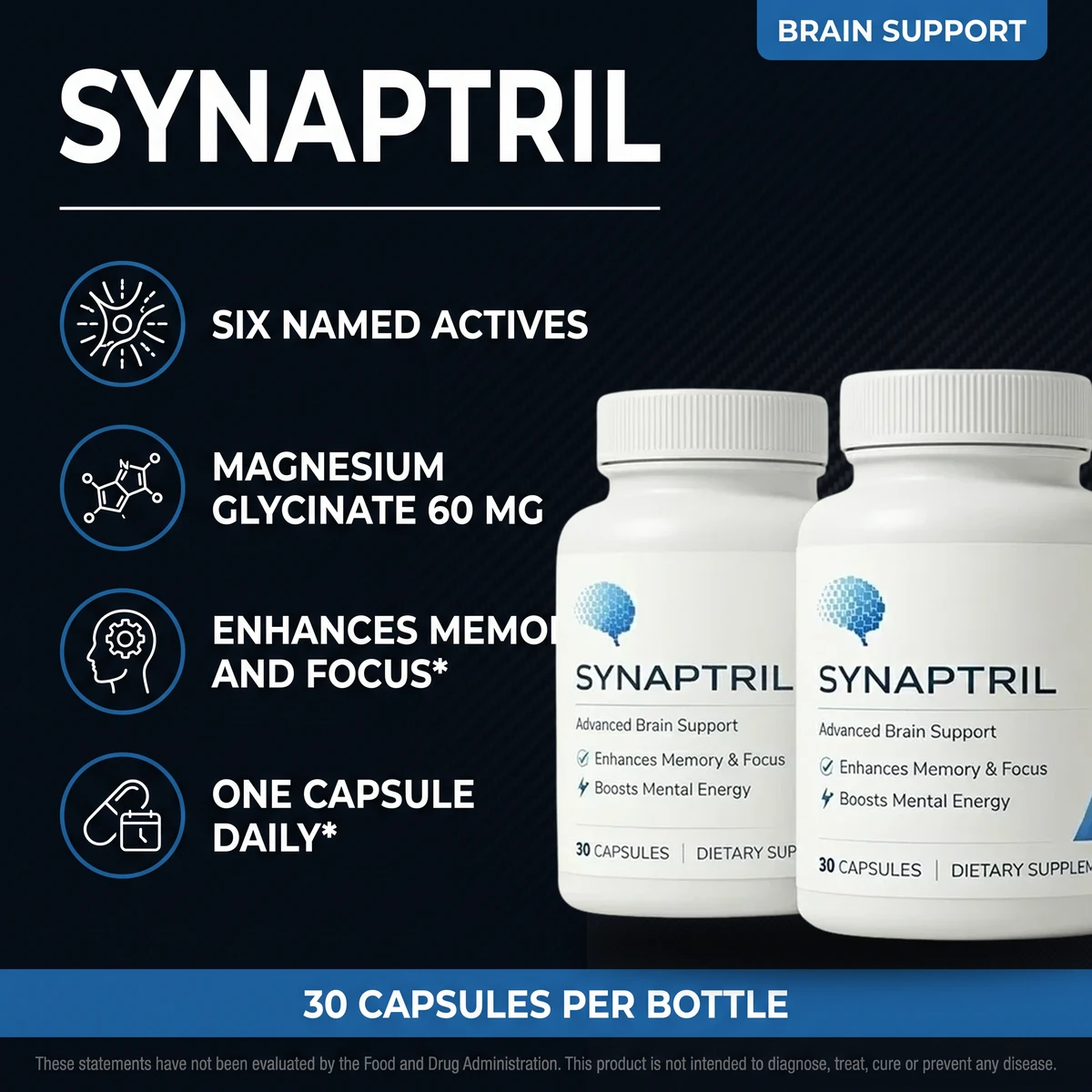
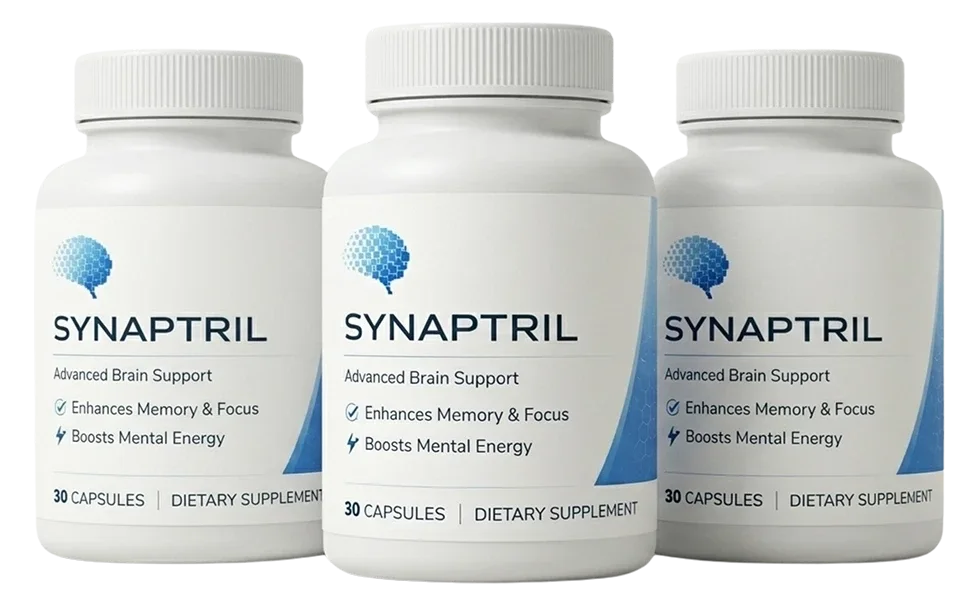
Synaptril combines six named actives to support memory, focus and mental energy together — one once-daily capsule, made in a GMP-registered USA facility, backed by a 60-day guarantee.
See Synaptril Packages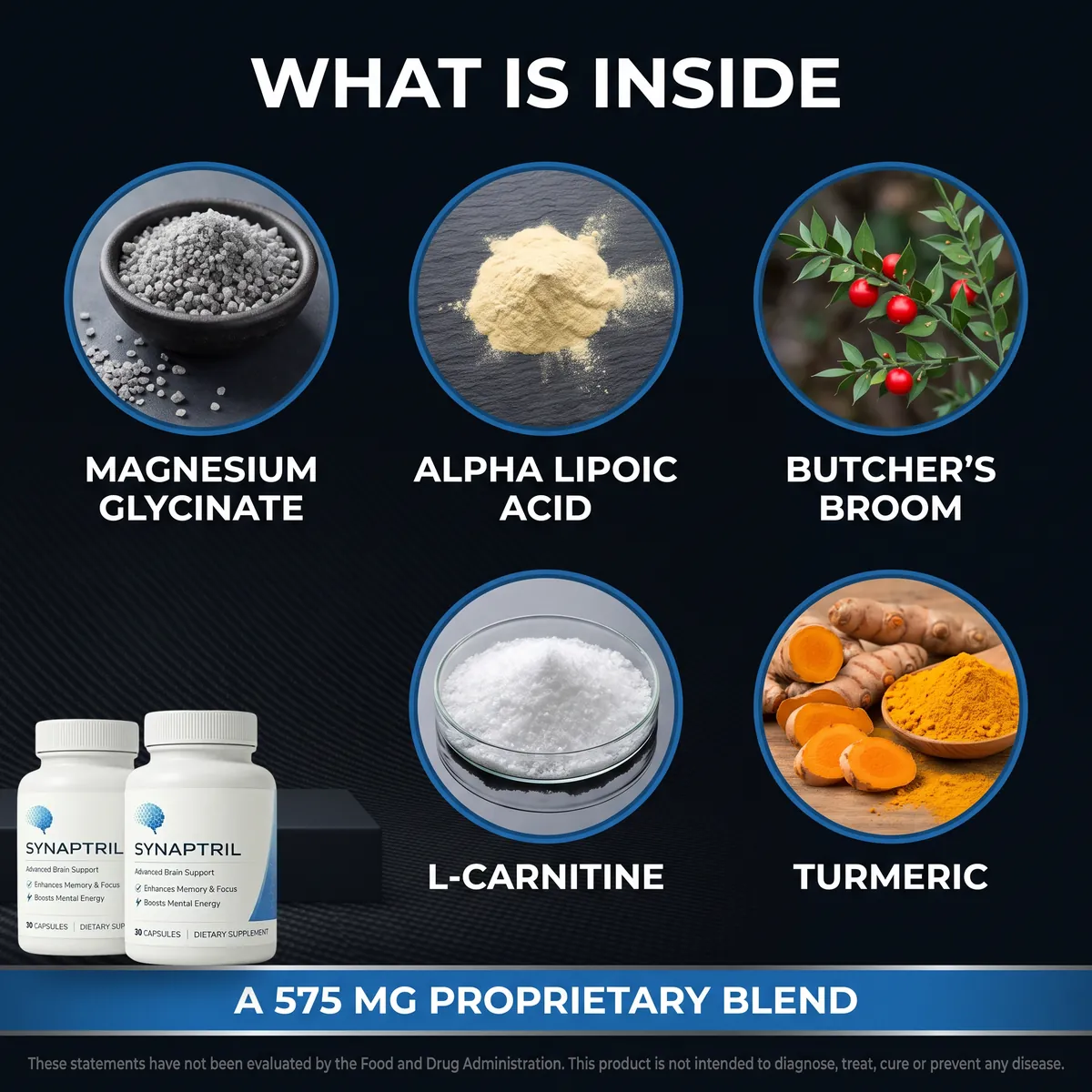
Yes — and for most people that is the sensible path. Because memory and focus draw on the same underlying foundations, a multi-ingredient formula that supports circulation, cellular energy and antioxidant balance can reasonably support both goals at once. That is more efficient than juggling a separate "focus product" and "memory product," and it avoids the risk of doubling up on overlapping ingredients. If you are weighing an all-in-one formula against assembling several single-ingredient products yourself, our comparison of a nootropic stack versus a single supplement lays out the trade-offs in convenience, dosing accuracy and cost.
Start by naming the problem you feel most, then match the emphasis:
On that last point, when you take a formula can matter as much as which one; our guide to the best time to take a nootropic supplement covers morning versus night and why consistency beats the perfect hour. You can also see the full Synaptril formula on the homepage.
Whether your target is memory or focus, keep the frame honest. Supplements support normal function; they are not treatments, and they will not compensate for poor sleep, which is arguably the single most powerful lever for both attention and memory. Think of a well-chosen formula as one supportive input alongside sleep, movement, a reasonable diet and the habits — single-tasking, note-taking, spaced review — that genuinely sharpen thinking. Judge any nootropic over a few weeks of consistent daily use, and pay attention to how you function across a normal week rather than expecting a dramatic before-and-after moment.
One capsule, six named actives, transparent amounts — everyday support for memory and focus you can actually keep up.
Order Synaptril Today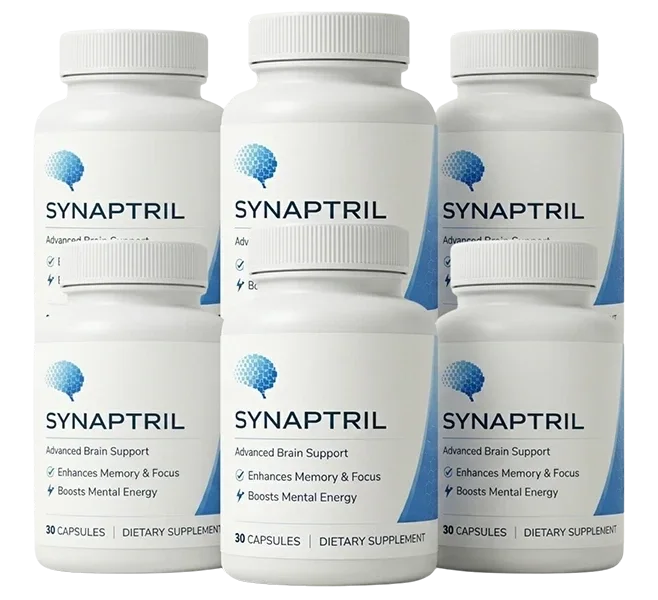
Focus support is about attention in the moment — staying on task and resisting distraction — while memory support is about encoding and recalling information over time. Different ingredients are traditionally associated with each, though many overlap, which is why a single formula can support both.
Yes. Because memory and focus share underlying foundations such as healthy circulation, cellular energy and antioxidant balance, a well-designed multi-ingredient formula can support both at once rather than forcing you to choose. Many everyday brain-support products are built exactly this way.
Ingredients traditionally associated with memory support tend to be those linked to healthy circulation to the brain, antioxidant balance and cellular energy. The emphasis is on the longer-term foundations of encoding and recall rather than short-term alertness.
Focus support often leans on ingredients associated with steady mental energy and attention, sometimes including nutrients that support the nervous system. The aim is sustained attention through the day rather than a short stimulant spike.
Start with the problem you feel most — if you lose your train of thought and get distracted, prioritise focus support; if you struggle to recall names, facts or where you put things, prioritise memory support. If both apply, a combined formula is the practical choice.
† These statements have not been evaluated by the Food and Drug Administration. This product is not intended to diagnose, treat, cure or prevent any disease. This article is for general information only and is not medical advice. Consult your physician before beginning any new supplement.
 Synaptril